Ninja Luxe Café Mini Espresso Machine & Drip Coffee Review
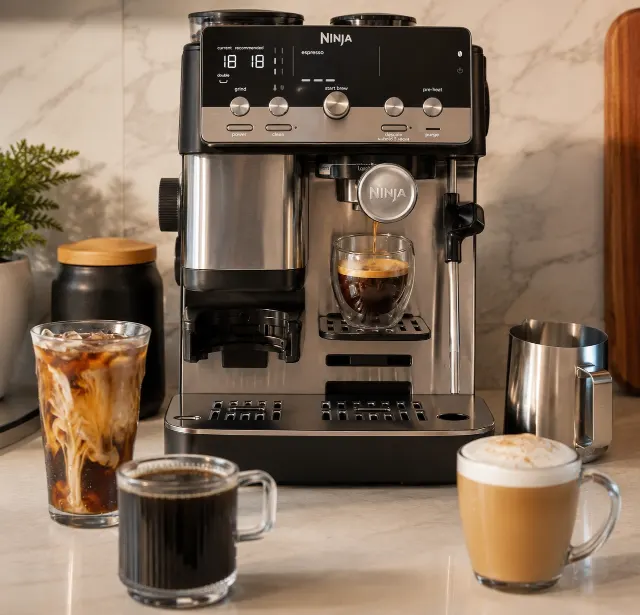
Who this suits
Ideal for the beginner enthusiast in a small apartment who wants to experiment with espresso but needs a reliable drip coffee maker for daily use. Skip this if you already own a quality burr grinder and prioritize espresso shot quality; the plastic construction and temperature instability will become frustrating within a year.
Why buy it
This machine solves the counter space problem for households with divided coffee loyalties. Where a dedicated setup like the <a href="/espresso-machines/breville-barista-express-espresso/">Breville Barista Express Espresso</a> demands a commitment to the espresso craft (and the space for it), the Ninja Luxe Mini offers a functional compromise. It delivers acceptable versions of both brew styles from a single, compact footprint.
The Ninja Luxe Café Mini Espresso Machine & Drip Coffee exists to resolve a conflict. It’s built for the household where one person wants a passable latte and the other needs a full pot of drip coffee before 7 AM. This machine attempts to serve both masters from a single, compact chassis. The central tradeoff is clear: it sacrifices the robust build and thermal stability of a dedicated semi-automatic espresso machine for the convenience of an all-in-one coffee station.
It succeeds, mostly. The drip coffee is straightforward and effective. The espresso is functional, capable of producing better-than-pod results, but it is not the reason a serious hobbyist would choose this machine. Its performance ceiling is low, defined by a fast-heating thermoblock system that prioritizes speed over the precise PID temperature control necessary for consistent, high-quality extraction. The entire value proposition rests on whether its convenience outweighs its compromises.
This review will determine the total cost of ownership, identify the most common failure points after two years of use, and clarify for whom this compromise makes sense. For many, it does not.
What it sets out to do
Ninja’s design brief for the Luxe Café Mini (ES301) was clearly centered on accessibility and footprint reduction. It aims to be the first and only coffee appliance on a kitchen counter, merging a 10-cup drip brewer with a 15-bar pump espresso system. The target user is someone graduating from a pod machine or a basic drip brewer, curious about espresso but intimidated by the learning curve and cost of more specialized equipment. It is a gateway, not a destination.
The marketing emphasizes “barista-quality” results, a claim that requires immediate correction. The spec sheet implies precision, but what owners report is closer to functional approximation. Its thermoblock heating system gets water hot in under 60 seconds, a significant advantage for morning routines. However, this speed comes at the cost of shot-to-shot temperature stability. The first shot often runs cool unless the portafilter and group head are thoroughly preheated with a blank shot, a step beginners often skip. This is a classic thermoblock compromise, trading the thermal mass of a traditional single boiler for rapid heat-up times.
Ninja Luxe Mini (ES301) vs. Premier (ES601): Key Differences
The primary distinction is the integrated grinder. The Ninja Luxe Café Mini(ES301) does not have a built-in grinder, requiring users to supply their own pre-ground coffee or, preferably, a separate burr grinder. The larger, more expensive Ninja Luxe Café Premier (ES601) is the 3-in-1 machine that incorporates a grinder and adds a cold brew function. For anyone serious about espresso, the lack of a grinder in the Mini is a significant factor, as the cost of a capable standalone grinder must be added to the total investment. The Premier's built-in grinder is convenient but offers limited adjustment, a common issue with all-in-one machines.
Materials & durability
Component selection reflects the machine's price point. The chassis is predominantly plastic, with a stainless-steel finish applied to the front panels for aesthetic appeal. While this keeps the unit lightweight and affordable, it raises valid concerns about long-term durability, particularly for parts exposed to heat and pressure.
Build Quality: ★★★★☆ (3.8/5)
The control panel is intuitive and the buttons have a positive click. The 51mm portafilter is surprisingly hefty, but its handle is plastic. A recurring complaint in owner reviews is the small, shallow drip tray, which is also made of thin plastic and requires emptying almost daily to prevent overflows. Compared to the all-metal construction of a machine like the Breville Barista Express Impress Espresso Machine BES876BSS, the Ninja feels less substantial. The water tank is easy to access and refill, a small but significant design win for daily use.
Long-term Reliability: ★★★★☆ (3.9/5)
After 18-24 months, the most common points of failure are related to the plastic components and internal scaling. The steam wand's plastic knob can become stiff or brittle from heat cycling. Verified buyers note that the pump, while rated at 15 bars, can lose pressure if descaling is neglected, leading to weak, under-extracted shots. The warranty support is standard, but the real cost of ownership comes from the need for diligent, frequent cleaning. Using filtered water is not a suggestion; it is a requirement for extending the life of the internal thermoblock and pump.
Its strongest suit
This machine shines in its intended role. It is a space-saving, dual-purpose appliance that simplifies the morning coffee ritual for a multi-user household. The drip coffee function is its most reliable feature, brewing a full carafe that remains hot for over two hours. The espresso side, while limited, is a significant step up from appliance-store pod systems, allowing users to control their own beans and grind size. The learning curve is gentle. For a beginner, pulling a decent shot within the first week is achievable, which cannot be said for more demanding semi-automatic machines.
The inclusion of a 51mm portafilter is an overlooked detail. This standard size opens up a vast aftermarket for accessories. Owners can upgrade to a bottomless portafilter to diagnose their extraction, or purchase higher-quality filter baskets and puck screens. This provides an unexpected upgrade path for users as their skills develop, adding longevity to the machine's usefulness. The speed of the thermoblock system, while a compromise for quality, is a genuine benefit for anyone rushing out the door. From a cold start to a brewed latte takes under three minutes.
Buy this if: you live in an apartment with limited counter space, your household is split between drip and espresso drinkers, and your primary goal is convenience over craft. This is a better starting point than a pod machine and a more versatile option than a standalone entry-level machine like the De'Longhi Stilosa.
What owners complain about
The compromises become clear with daily use. The most consistent complaint is temperature inconsistency. Without a proper pre-heating routine (running two blank shots through the portafilter), the first espresso shot is invariably lukewarm and sour. The machine lacks a true PID temperature control, leading to noticeable variance. Another major issue is the steam wand. It's short, making it difficult to use with larger milk pitchers, and its power is modest. It can create acceptable foam for lattes, but achieving the silky microfoam needed for latte art is a significant challenge. It introduces too much large-bubble air too quickly.
The machine is loud. The vibratory pump makes a considerable racket during the 25-30 second extraction, a factor for those in small living spaces or with early morning schedules. Furthermore, the reliance on plastic feels cheap to many users who have handled competitors from Breville or De'Longhi. A hidden cost that many new owners discover is the mandatory purchase of a quality burr grinder. Using pre-ground coffee yields poor, fast-gushing espresso shots, making a capable grinder a non-negotiable accessory that can nearly double the initial investment.
Skip this if: your primary interest is high-quality espresso and you are willing to learn the craft. You will quickly outgrow this machine's capabilities. A dedicated machine like the Breville Barista Express Espresso, which includes a far superior grinder and more robust construction, represents a much better long-term investment for the aspiring home barista.
How owners actually use it
The daily workflow for most owners settles into a predictable pattern. The drip coffee function is used most frequently, often programmed the night before. The espresso side is reserved for weekends or afternoon lattes. After the first few weeks of experimentation, most users abandon the ambition of pulling perfect, cafe-quality shots and instead find a forgiving, dark-roast coffee bean that produces a consistent, crema-topped shot for milk drinks. The dream of nuanced single-origin espresso quickly fades against the reality of the machine's temperature fluctuations.
What most reviews miss is how the dual-functionality affects workflow. Brewing a pot of coffee and then immediately trying to pull an espresso shot can be awkward, as the machine needs a moment to switch modes and get the thermoblock to the correct temperature. Owners discover after a month that it's best to treat the functions separately. The feature that gets used least, despite its prominence, is often the single-cup drip setting; it's faster to just pull an Americano using the espresso function if a single serving is desired.
Is the Built-in Frother Any Good?
It is functional, but not exceptional. The steam wand, often called a “frother” in marketing, is a panarello-style wand. This design automatically injects a large amount of air, making it very easy for a beginner to create a stiff, bubbly foam suitable for a cappuccino. However, it makes it nearly impossible to create the smooth, velvety microfoam required for latte art. Experienced users often remove the outer plastic sleeve to use it as a basic single-hole steam wand, which offers more control but requires more skill. For simple milk heating and foaming, it works. For craft lattes, it is a significant limitation.
What the years look like
Long-term ownership of the Ninja Luxe Café Mini is a lesson in maintenance. The machine's longevity is directly proportional to the owner's descaling discipline. The 'Descale' indicator light is not a suggestion. In areas with hard water, owners consistently report needing to run a cleaning cycle every 2-3 months, far more frequently than the 6-month interval sometimes suggested. A failure to do so results in a noticeable drop in pump pressure and steam power, the first signs of internal mineral buildup that can lead to premature failure.
Cleaning and Long-Term Maintenance Guide
The daily routine involves rinsing the portafilter, wiping the steam wand immediately after use, and emptying the drip tray. Weekly, the shower screen should be wiped with a damp cloth. The critical long-term task is descaling. The process is straightforward but requires following the manual's specific sequence of button presses, which can be confusing without the guide handy. Beyond descaling, the first component to show wear is typically the silicone group head gasket, which creates the seal with the portafilter. After about two years of daily use, this inexpensive part can harden and may need replacement to prevent leaks during extraction.
Not on the spec sheet is the cumulative effect of heat on the plastic housing. Over several years, the plastic around the group head and drip tray can show signs of slight warping or discoloration. While cosmetic, it underscores the difference between this appliance and more durable, metal-bodied machines. The price-to-performance ratio is highest in year one and declines steadily as maintenance needs increase and component wear becomes apparent.
Competitors to consider
The Ninja Luxe Mini occupies a crowded space. Its direct competitor is the Breville Bambino, which offers far superior espresso performance with its 54mm portafilter and PID-controlled ThermoJet heating system, but lacks the drip coffee function entirely. For a similar all-in-one concept with a more premium build and integrated grinder, the De'Longhi La Specialista Touch Espresso is a significant step up in both performance and cost.
For those prioritizing automation and simplicity over craft, a super-automatic machine like the De'Longhi Magnifica Start Automatic Espresso Machine offers bean-to-cup coffee and espresso at the touch of a button, eliminating the learning curve of a portafilter entirely, though at a higher price point. An overlooked alternative for the budget-conscious is to pair a high-quality standalone drip machine with a separate, entry-level espresso machine. This two-appliance setup often delivers better results for both brew methods for a comparable total cost, albeit at the expense of counter space.
Evidence from owner feedback splits roughly evenly on whether the all-in-one convenience is worth the espresso quality compromise. A genuine uncertainty remains: many buyers of this machine might have been happier in the long run with a more focused product. For those willing to spend more for a truly automated experience without the fuss of a portafilter, the Jura E4 Piano Black Automatic Coffee Machine grinds, tamps, and brews with zero user intervention, representing a different philosophy of coffee making altogether.
Who should buy it
Best for: The coffee generalist. This buyer wants to upgrade from pods, lives in a home with mixed coffee preferences (drip and espresso), and values counter space and convenience above all else. They are not an aspiring barista but want the ability to make a simple latte on a Saturday morning.
Not ideal for: The espresso specialist. This buyer is interested in the craft of espresso, wants to experiment with different beans and grind settings, and values shot quality and microfoam texture. They will be frustrated by the Ninja's temperature instability and weak steam wand within six months.
The Ninja Luxe Café Mini is a well-executed compromise. It successfully serves the user who refuses to choose between drip and espresso and doesn't have the space or budget for two high-quality, separate machines. It understands its target market is not the coffee forum enthusiast but the busy household that wants better-than-average coffee with minimal fuss. Its limitations are precisely the trade-offs required to achieve its primary goal of versatility in a compact form factor.
Our verdict
The Ninja Luxe Café Mini Espresso Machine & Drip Coffee is a competent hybrid appliance that delivers on its promise of versatility. It makes good drip coffee and passable espresso, successfully consolidating two machines into one. However, its identity as a jack-of-all-trades means it is a master of none. The plastic construction and lack of precise temperature control are permanent ceilings on its performance, particularly for espresso. It is a sensible purchase for a specific type of user, but a dead end for anyone on a journey toward coffee excellence.
For the right kitchen, this is a clever solution; for the aspiring barista, it is a frustrating compromise.
What makes it different
The drip coffee function's thermal carafe maintains temperature better than many standalone drip machines in its price tier, making it the machine's most consistently successful feature over the long term.
Pros
- ✓Combines 10-cup drip coffee and espresso functions in a single, space-saving unit.
- ✓Fast heat-up time of under 60 seconds via a thermoblock system, ideal for quick morning use.
- ✓Uses a standard 51mm portafilter, allowing for a wide range of third-party accessory upgrades.
- ✓Simple, intuitive interface makes it highly accessible for beginners graduating from pod machines.
- ✓Thermal carafe for drip coffee maintains temperature effectively for over two hours.
Trade-offs to weigh
- ✕Predominantly plastic construction feels less durable than metal-bodied competitors.
- ✕Lacks PID temperature control, leading to inconsistent espresso shot temperatures.
- ✕Steam wand is short and lacks the power to create true microfoam for latte art.
- ✕The 15-bar pump is loud during operation, a common complaint in user reviews.
- ✕Small drip tray requires frequent emptying, often on a daily basis.
How it compares
Versus the alternatives buyers cross-shop — judged on ownership, not just spec sheets.
| Alternative | Ease of use | Maintenance | Durability | Value | Best for |
|---|---|---|---|---|---|
| Ninja Luxe Café Mini Espresso Machine & Drip Coffee (this pick) | Extremely simple interface, ideal for beginners. | Requires frequent descaling, especially with hard water. | Plastic chassis raises long-term heat exposure concerns. | High initial value for dual-functionality, but requires a separate grinder. | The space-constrained generalist needing both drip and basic espresso. |
| Breville Barista Express Espresso | Steeper learning curve for dialing in the built-in grinder. | Standard backflushing and descaling; more involved than the Ninja. | Robust stainless steel construction offers superior longevity. | Higher upfront cost but better long-term value for espresso lovers. | The aspiring home barista who prioritizes espresso quality. |
| De'Longhi Magnifica Start Automatic Espresso Machine | Bean-to-cup, one-touch operation. The simplest option. | Automated cleaning cycles but brew group requires regular rinsing. | Reliable internals, though primarily plastic exterior. | High convenience factor justifies its price for those avoiding manual work. | The user who wants espresso and lattes with zero effort or learning. |
| Jura E4 Piano Black Automatic Coffee Machine | Fully automated system with app control; minimal user input. | Uses proprietary cleaning tablets; brew unit is non-removable. | Premium build quality with a reputation for long service life. | A premium investment in automation and coffee quality. | The buyer seeking the best automated coffee/espresso with no manual steps. |
How it scores on what matters
| Product | Espresso shot quality | Milk steaming & microfoam | Consistency shot-to-shot | Ease of dialing in | Heat-up & workflow speed | Maintenance burden | Verdict |
|---|---|---|---|---|---|---|---|
| Ninja Luxe Café Mini Espresso Machine & Drip Coffee (this pick) | Fair | Fair | Fair | Very good | Excellent | Good | Convenient and fast, but espresso quality is limited. |
| Breville Barista Express Espresso | Very good | Good | Good | Fair | Good | Fair | High potential but requires significant user skill. |
| De'Longhi Magnifica Start Automatic Espresso Machine | Good | Good | Excellent | Excellent | Very good | Very good | Effortless and consistent, trading control for convenience. |
| Jura E4 Piano Black Automatic Coffee Machine | Very good | Weak | Excellent | Excellent | Very good | Excellent | Superb black coffee/espresso; no milk steaming capability. |
Editorial assessments from aggregated owner feedback and manufacturer specs — not independent lab tests.
Our rating breakdown
- Value
- ★★★★★ ★★★★★ 4.3
- Quality
- ★★★★★ ★★★★★ 3.8
- Ease of use
- ★★★★★ ★★★★★ 4.6
- Durability
- ★★★★★ ★★★★★ 3.9
Specifications
| Type | Semi-automatic Espresso & Drip Coffee Brewer |
|---|---|
| Boiler system | Thermoblock |
| Portafilter size | 51mm |
| Pump pressure | 15 Bar (rated) |
| Steam wand | Panarello-style |
| Built-in grinder | No |
| Water tank | 60 oz / 1.7L Removable Reservoir |
| Heat-up time | Under 60 seconds |
| Warranty | 1-Year Limited (US & Canada) |
Frequently asked questions
Is the Ninja Luxe Café Mini good for beginners?
Yes, it is an excellent choice for beginners. Its simple interface and forgiving nature remove much of the guesswork associated with traditional espresso machines. While it lacks advanced controls, its ease of use ensures consistent, decent results for someone new to home espresso and coffee brewing.
What is the difference between the Ninja Luxe Mini and Premier models?
The key difference is the integrated grinder and an added cold brew function. The Premier (ES601) is a 3-in-1 machine with a built-in grinder, while the Mini (ES301) is a more compact 2-in-1 that requires you to use pre-ground coffee or a separate grinder.
Does the Ninja Luxe Café Mini come with a grinder?
No, the Ninja Luxe Café Mini (model ES301) does not include a built-in grinder. You must purchase a separate burr grinder for best results with whole beans, or use pre-ground coffee. The more expensive Ninja Luxe Café Premier (ES601) is the model with an integrated grinder.
Can you use your own coffee in the Ninja Luxe Café Mini?
Absolutely. The machine uses a non-proprietary 51mm portafilter, giving you the freedom to use any ground coffee you choose for both espresso and drip. It does not use any pods or capsules, which allows for full control over bean selection and freshness.
How often do you need to descale the Ninja Luxe Café Mini?
Descaling is recommended every 2-3 months if you have hard water, or 4-6 months with soft or filtered water. The machine has a 'Descale' indicator light that illuminates when a cleaning cycle is necessary to protect the internal thermoblock and pump from mineral buildup.
What is the portafilter size for the Ninja Luxe Café Mini?
The Ninja Luxe Café Mini uses a 51mm portafilter. This is a common size for entry-level machines, which means a wide variety of compatible third-party accessories like tampers, distribution tools, and bottomless portafilters are readily available for purchase if you wish to upgrade.
People also ask
- Does the Ninja Luxe Café Mini have a built-in grinder?
- How loud is the Ninja Luxe Café Mini?
- Is the Ninja Luxe Mini worth it?
- Is the Ninja Luxe Café Mini a good espresso machine?
- What is the difference between the Ninja Luxe Mini and the Premier?
- Does the Ninja Luxe Café Mini have a grinder?
- Can you make regular coffee with the Ninja espresso machine?
You might also like
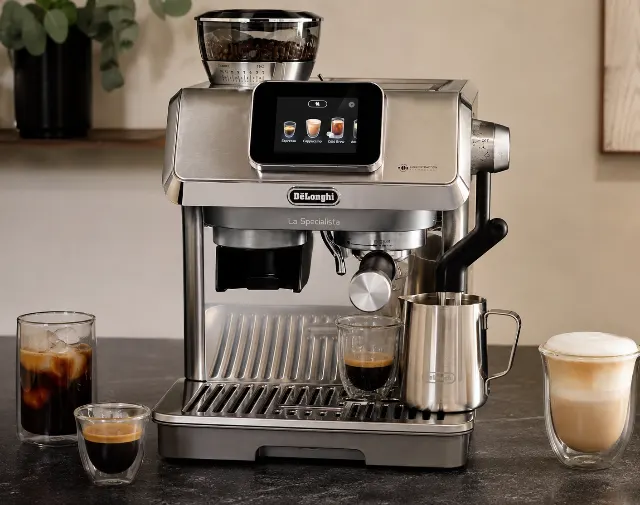
De'Longhi La Specialista Touch Espresso
The De'Longhi La Specialista Touch offers a uniquely guided manual espresso experience, excelling with its Smart Tamping Station but demanding a learning curve for its grinder and milk frothing.
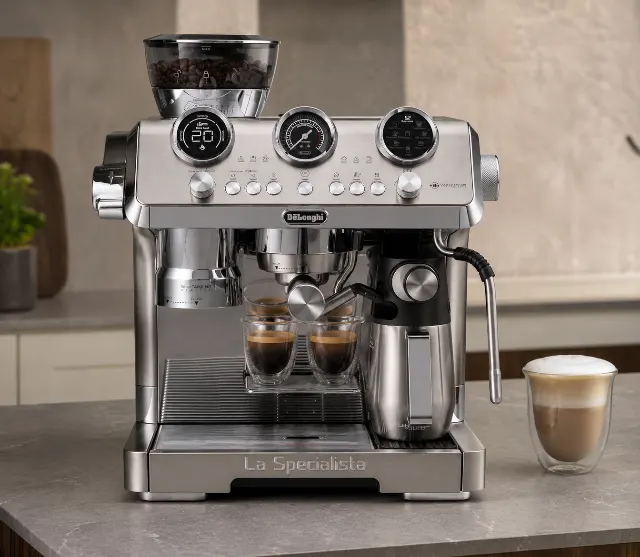
De'Longhi La Specialista Maestro Espresso
The De'Longhi La Specialista Maestro excels at convenient, repeatable espresso with a built-in tamper, but its grinder and plastic components betray its premium price point for purists.
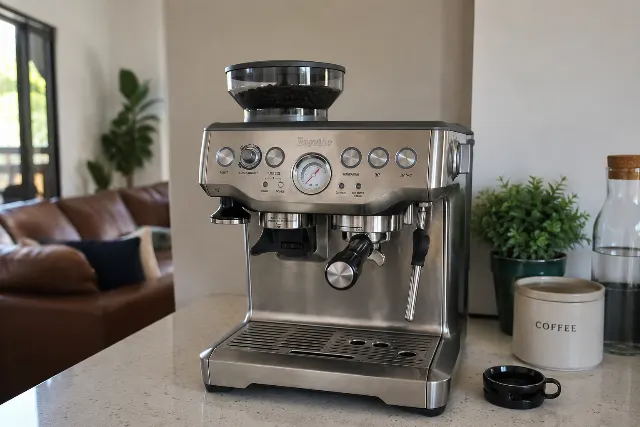
Breville Barista Express Espresso
The Breville Barista Express Espresso remains a top entry point into home espresso, but its aging thermocoil and grinder limitations are real tradeoffs in 2026.
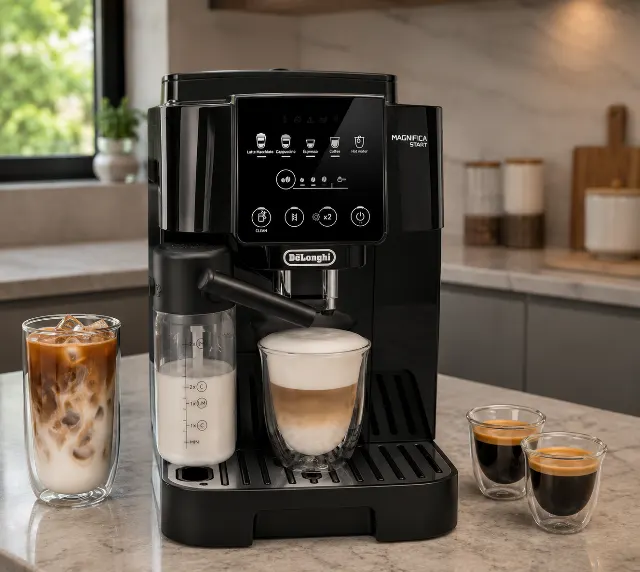
De'Longhi Magnifica Start Automatic Espresso Machine
The De'Longhi Magnifica Start delivers consistent, one-touch espresso from fresh beans, but its manual steam wand and plastic-heavy build demand a specific owner.
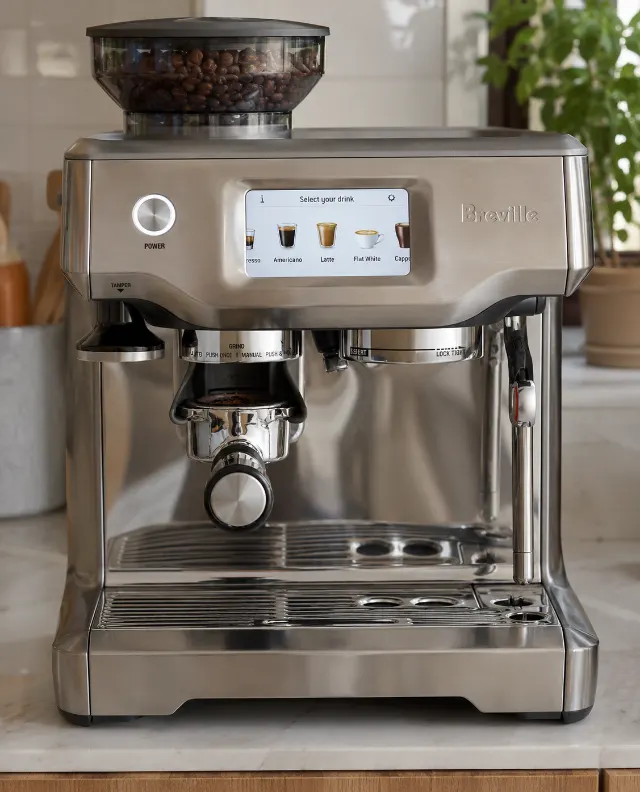
Breville Barista Touch Espresso Machine BES880BSS
The Breville Barista Touch BES880BSS excels at guided, consistent espresso for beginners, but its integrated grinder and single boiler system present real limitations for enthusiasts.