Gaggia Classic Pro EVO Review
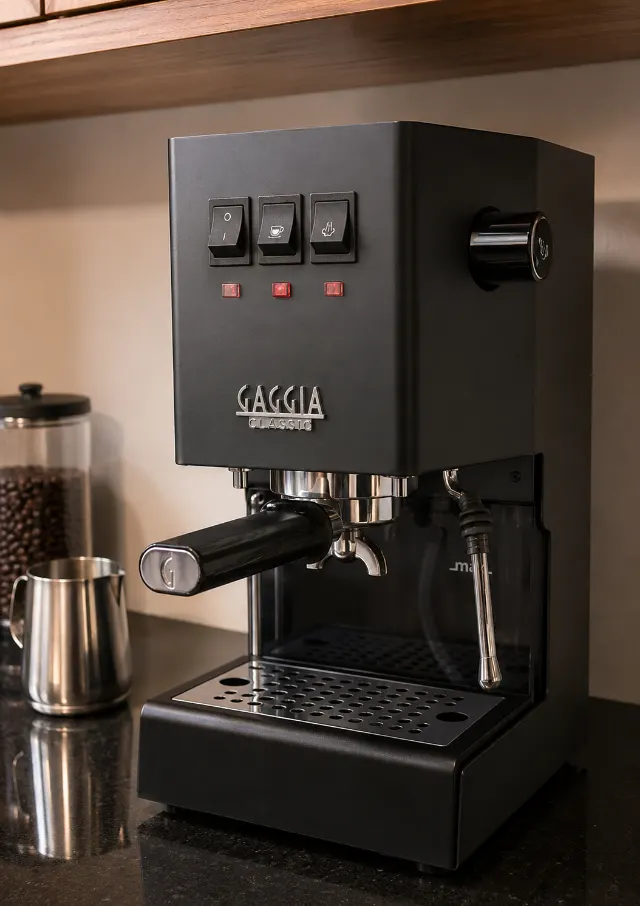
The unexpected edge
The EVO's factory-set 9-bar OPV spring is a huge upgrade, but owner feedback shows pressure can still vary by +/- 0.5 bar. Verifying with a gauge is the first 'mod' serious users perform.
Our rating breakdown
- Value
- ★★★★★ ★★★★★ 4.0
- Quality
- ★★★★★ ★★★★★ 4.3
- Ease of use
- ★★★★★ ★★★★★ 4.6
- Durability
- ★★★★★ ★★★★★ 4.2
The upsides
- ✓Commercial 58mm chrome-plated brass portafilter and group head provide excellent thermal stability.
- ✓Ships with a 9-bar OPV spring from the factory, ensuring optimal extraction pressure without immediate modification.
- ✓Powerful commercial-style steam wand produces high-quality microfoam for latte art once mastered.
- ✓Simple, robust mechanical construction with a stainless steel body makes it highly durable and user-repairable.
- ✓Vibrant modding community offers endless upgrades, from PID kits to pressure gauges, extending the machine's capabilities.
Drawbacks
- ✕Single boiler design requires 'temperature surfing' for shot consistency and a slow workflow for back-to-back milk drinks.
- ✕Early EVO models had issues with boiler coating ('boilergate'); ensure 2026 models with the revised coating.
- ✕Loud vibration pump can cause cups to shift on the small, quickly-filled drip tray.
- ✕Requires a separate, high-quality burr grinder, adding a significant cost to the initial setup.
Specifications
| Type | Semi-automatic |
|---|---|
| Boiler system | Single Boiler (100ml Aluminum, coated) |
| Portafilter size | 58mm commercial |
| Pump pressure | 15 Bar (Vibration Pump), regulated to 9 Bar at the group |
| Steam wand | Commercial-style, 2-hole tip |
| Built-in grinder | No |
| Water tank | 2.1 L (72 oz), removable |
| Heat-up time | Approx. 5 minutes to brew temp, 10-15 min for group head stability |
| Warranty | 1-year limited (US/Canada), 2-year (UK) |
You've decided against pods. You're tired of coffee shop expenses. You want to make 'real' espresso at home. This is the moment you encounter the Gaggia Classic Pro EVO, a machine that looks like a serious, miniaturized piece of café kit. It feels like the logical first step. It is, but not in the way you think.
This isn't an appliance. It's an instrument. The single biggest misunderstanding new buyers have is assuming its simple three-button interface translates to simple operation. The opposite is true. Those three buttons give you total, unforgiving control over brew and steam, with no computer chip correcting your mistakes. The central tradeoff of the Gaggia Classic Pro EVO isn't about features; it's about your willingness to trade push-button convenience for a machine that can grow with your skills for a decade.
It demands a good grinder. It requires you learn its thermal quirks. It will frustrate you for the first two weeks. After that, it produces espresso that machines costing twice as much can't consistently beat. For the right person, the Gaggia Classic Pro EVO isn't just a good starting point; it's a potential end-game machine in a beginner's chassis.
The basics worth knowing
At its core, the Gaggia Classic Pro EVO is a semi-automatic, single-boiler espresso machine. This design is its greatest strength and its most significant limitation. One boiler handles both brewing water (around 93°C / 200°F) and steam (around 121°C / 250°F). You can't do both simultaneously, and switching between them involves a wait. This is the fundamental workflow difference between it and more expensive dual boiler machines.
Its defining feature is the commercial-grade 58mm portafilter and heavy brass group head. This is not just a spec sheet number. The mass of that metal provides thermal stability that lighter 54mm aluminum groups on many consumer machines lack, preventing temperature drops during extraction that can sour a shot. This is why it can punch so far above its price tier on pure espresso quality.
Marketing materials often frame this as a simple, accessible machine. This is a partial truth. While the controls are simple, achieving consistency requires a learned technique called 'temperature surfing'—manually timing your shot relative to the boiler's heating cycle to hit a consistent brew temperature. A recurring complaint in owner reviews is the initial struggle to get repeatable results without an external PID temperature control unit, a popular aftermarket modification.
Key Differences: Gaggia Classic Pro EVO vs. E24
What is the Gaggia Classic Pro E24? The 'E24' designation typically refers to North American models of the Gaggia Classic Pro right before the 'EVO' update. The Gaggia Classic Pro EVO is the successor. The most critical change is the boiler: the EVO features a proprietary non-stick, food-safe internal coating designed to prevent aluminum corrosion and scale adhesion. This directly addresses long-term concerns about boiler health in older models. The EVO also ships from the factory with a 9-bar Over-Pressure Valve (OPV) spring, which is considered the ideal pressure for espresso extraction, saving users from performing this common first modification themselves.
Materials & durability
Build Quality: ★★★★☆ (4.3/5)
The machine's frame is brushed stainless steel, giving it a substantial presence that belies its small footprint. The switches feel industrial and provide satisfying tactile feedback. The portafilter is chrome-plated brass, weighing a hefty 490 grams, identical in feel to what you'd find in a commercial café. Where it loses a point is the plastic drip tray and the somewhat lightweight tamper included in the box. Most serious owners replace the tamper immediately.
Long-term Reliability: ★★★★☆ (4.1/5)
Gaggia's reputation was built on longevity, and the EVO's core components—the boiler, pump, and group head—are proven designs. The most common failure point, based on long-term owner feedback, is the ULKA vibration pump, which can lose pressure after 5-7 years of heavy use but is a readily available and relatively simple part to replace. The group head gasket is a consumable that requires replacement every 12-18 months, depending on use. The warranty is typically one year, but the machine's simple, mechanical nature makes it highly repairable for years beyond that, a key advantage over more complex, electronically-controlled machines.
Gaggia Classic Pro vs. The Original Evo: What Changed?
The transition from the pre-2023 Gaggia Classic Pro to the current EVO model brought significant internal changes. Beyond the coated boiler and 9-bar OPV, the group head mounting was updated for better serviceability, and the steam wand assembly was refined. However, the early EVO models faced criticism over the boiler coating, a controversy dubbed 'boilergate' in online forums, where some users reported flaking. Gaggia has since updated the coating material to an inert, more durable compound in all 2026 production runs (models RI9380/48 and RI9380/46). If buying used, this is a critical point of diligence; new purchases from authorized dealers will have the revised boiler.
Where it performs
This machine shines at one thing: pure espresso. With a capable grinder and some practice, the shots it produces are rich, textured, and complex. The 58mm commercial basket allows for proper puck preparation and is compatible with a vast ecosystem of precision baskets and tools. The factory-set 9-bar extraction pressure is a genuine improvement, preventing the channeling and bitter flavors that the previous 12-15 bar springs often caused. It removes the need for an immediate 'OPV mod', which was almost mandatory for its predecessors.
Its steam power is also formidable for a single-boiler machine in this price bracket. The two-hole commercial-style steam wand, once mastered, can produce silky microfoam capable of latte art. It's not as fast or forgiving as the automated wands on machines like the Breville Barista Pro, but its raw power is greater, offering a much higher ceiling for milk texture quality. The small boiler recovers steam pressure quickly, allowing for back-to-back milk drinks with a short wait in between.
Buy this if: You live in an apartment or have a small kitchen, view espresso as a hands-on hobby, and are willing to pair it with a grinder of equivalent quality. You value repairability and want a machine that rewards technique rather than one that automates it. For you, the learning curve is a feature, not a bug.
The annoyances
The biggest frustration is temperature instability. Without a PID temperature control unit, the boiler's temperature can swing by as much as 10°C. This is why 'temperature surfing' is not optional; it's a required skill for consistency. Many new owners blame their grinder or beans for sour shots when the real culprit is brewing at the wrong point in the heating cycle. This is the machine's most significant hidden cost: either your time to learn the technique or the price of a PID upgrade kit.
Next, the workflow for milk drinks is cumbersome. You pull your shot, then flick the steam switch and wait 30-60 seconds for the boiler to heat up to steam temperature. After steaming, you must cool the boiler back down to brew temperature (a process called 'flushing') before you can pull another shot. This makes hosting a brunch for latte lovers a slow, laborious process. A recurring complaint in owner reviews is the small drip tray, which fills up quickly from temperature flushing and requires emptying almost daily.
Finally, the machine is loud. The vibration pump is not insulated, and it can cause cups to rattle on the drip tray, sometimes even moving them out from under the portafilter spouts during a shot. It's a minor issue, but one that owners discover after the honeymoon period.
Skip this if: Your mornings are rushed, and you just want a consistently good cappuccino at the press of a button. You should look at a thermojet machine like the Breville Bambino for its near-instant heat-up time and more forgiving nature, or an all-in-one like the De'Longhi La Specialista Touch Espresso if you don't want a separate grinder.
How it fits your routine
Here is the reality. Your first week will involve frustration. You'll produce sour, fast shots ('sink shots') and struggle to get the grind right. By week two, you'll have a 'eureka' moment where you pull a genuinely delicious shot, and you'll start chasing that dragon. By week four, the routine becomes muscle memory: turn on the machine 15 minutes before you need it, grind your beans, prep your puck, temperature surf, pull your shot, and clean up. It becomes a satisfying 5-minute ritual.
An overlooked detail is that the three-way solenoid valve, a feature typically found on more expensive machines, is a massive quality-of-life improvement. It instantly relieves pressure from the group head after a shot, leaving a dry, easy-to-knock-out puck of coffee. This makes cleanup fast and tidy, a small but significant advantage for daily use over machines that leave a soupy mess.
What most reviews miss is the social aspect. Because it's so modifiable, the Gaggia Classic Pro EVO has a huge online community. When you encounter a problem, from low steam pressure to a leaking group head, there are dozens of video tutorials and forum threads with solutions. This community support network is one of the machine's strongest, unlisted features.
Long-term ownership
This is not an appliance you can neglect. Regular cleaning is mandatory. You'll need to backflush the group head with a cleaner like Cafiza weekly to remove coffee oils, which will otherwise turn rancid and spoil the taste of your espresso. Descaling is necessary every 2-3 months, depending on your water hardness. The EVO's coated boiler helps, but it doesn't eliminate the need for descaling to protect the rest of the water path.
The hidden cost of ownership is water. Using hard tap water will drastically shorten the machine's life. Most long-term owners invest in a water softening filter or use a specific bottled water formulation to protect their investment. This ongoing cost, while small, is part of the price-to-performance calculation.
Beyond the spec sheet, owners discover after a year or two that the simplicity of the Gaggia is its greatest asset for longevity. With no complex circuit boards or touch screens, there are fewer high-cost electronic components to fail. A Gaggia Classic can realistically last 15-20 years with regular maintenance and occasional replacement of wear-and-tear parts like the pump and gaskets, a lifespan unheard of in the world of consumer electronics.
Where it loses to alternatives
Speed and convenience are where the Gaggia Classic Pro EVO gets beaten. The Breville Bambino Plus, with its ThermoJet heating system, is ready to brew in 3 seconds and features an automatic milk frother that delivers consistent results every time. For the person who values speed above all, the Bambino is the clear winner.
For those who want an all-in-one solution, the Gaggia Classic Pro EVO integrates a capable grinder and a digital display with a shot timer. It provides a more guided, user-friendly experience out of the box. The cost of a Gaggia Classic Pro EVO plus a separate, comparable grinder (like a Baratza Encore ESP or Fellow Opus) puts it in the same price tier as the Barista Pro, making the choice one of workflow preference: integrated convenience versus separate, best-in-class components.
An overlooked competitor is the Rancilio Silvia. It's a direct upgrade, offering a larger brass boiler (300ml vs the Gaggia's 100ml) for much greater steam power and temperature stability. It costs more, but for users who primarily make milk drinks, the Silvia's performance advantage is significant and represents the next logical step up in the single-boiler category.
Who gets the most out of it
Best for: The hands-on hobbyist, the tinkerer, and the espresso purist on a budget. This machine is for the person who enjoys the process and finds satisfaction in mastering a skill. It's for someone who intends to keep and maintain their equipment for a decade, not replace it every three years.
Not ideal for: Anyone who needs to serve multiple people quickly, values automation and convenience, or is unwilling to invest in a quality burr grinder. The Gaggia Classic Pro EVO is a terrible choice for an office breakroom or a busy family that just wants coffee without a fuss.
The value proposition here is not in its feature list but in its potential. It's a blank canvas. In its stock form, it's a capable espresso maker. With a PID, a bottomless portafilter, and a precision basket, it becomes a machine that can go head-to-head on shot quality with equipment costing three times as much. You are paying for the commercial-grade foundation, not the electronic bells and whistles.
Where it leaves us
The Gaggia Classic Pro EVO in 2026 remains a deeply compelling, if conditional, recommendation. It has survived the rise of hyper-convenient thermojet machines by doubling down on what it has always been: an honest, mechanical, and highly capable platform for making traditional espresso. Its flaws are immediate and obvious—the temperature instability and single-boiler workflow—but its strengths are profound and lasting.
It forces you to learn, but it rewards that learning with exceptional results. The spec sheet implies it's a beginner machine; what owners report is that it's a professional machine in a beginner's body. There is no better machine for learning the fundamentals of espresso preparation on hardware that won't hold you back.
For the aspiring enthusiast who prioritizes shot quality and longevity over convenience, the Gaggia Classic Pro EVO is the definitive choice.
Who gets the most from it
Ideal for the aspiring home barista with limited counter space who sees espresso as a craft to be learned. You need patience and a budget for a separate, capable grinder. Skip this if you live in a busy household where multiple people need a quick, repeatable coffee with zero fuss; the single boiler workflow is a bottleneck.
What makes it worth it
The Gaggia Classic Pro EVO solves the problem of flimsy, appliance-grade machines hitting a low quality ceiling. Unlike a thermojet-based <a href="/espresso-machines/breville-bambino/">Breville Bambino</a>, its heavy brass grouphead and 58mm portafilter provide thermal stability and a workflow that mirrors professional equipment, offering a much higher potential for shot quality.
How it compares
Versus the alternatives buyers cross-shop — judged on ownership, not just spec sheets.
| Alternative | Ease of use | Maintenance | Durability | Value | Best for |
|---|---|---|---|---|---|
| Gaggia Classic Pro EVO (this pick) | Steep learning curve; requires manual temperature management. | Weekly backflushing and bi-monthly descaling required. | Built to last; highly repairable with wide parts availability. | High potential value, but requires a separate grinder investment. | The hobbyist in a small apartment who values shot quality and repairability. |
| Breville Bambino | Very beginner-friendly with fast heat-up and simple controls. | Automated cleaning cycles; less frequent descaling alerts. | Appliance-grade build; less user-serviceable than the Gaggia. | Lower entry cost and no immediate need for mods. | The commuter who needs a quick, consistent latte before work. |
| Breville Barista Pro | Integrated grinder and LCD screen provide a guided experience. | Similar to Bambino, with prompts for cleaning and filter changes. | Complex electronics are a potential failure point long-term. | All-in-one package offers convenience at a higher initial price. | The user who wants café features without a separate grinder. |
| De'Longhi La Specialista Touch Espresso | Highly automated with sensor grinding and assisted tamping. | Automated descaling and rinsing functions simplify upkeep. | Complex machine with many proprietary electronic parts. | Premium price for an all-in-one automated experience. | The tech-savvy user who wants maximum automation and minimal fuss. |
How it scores on what matters
| Product | Espresso shot quality | Milk steaming & microfoam | Consistency shot-to-shot | Ease of dialing in | Heat-up & workflow speed | Maintenance burden | Verdict |
|---|---|---|---|---|---|---|---|
| Gaggia Classic Pro EVO (this pick) | Excellent | Very good | Fair | Fair | Weak | Good | Unlocks top-tier shots and milk with significant user effort. |
| Breville Bambino | Good | Good | Very good | Excellent | Excellent | Excellent | Delivers speed and consistency; espresso quality has a ceiling. |
| Breville Barista Pro | Very good | Good | Very good | Very good | Excellent | Very good | A balanced, user-friendly system with a built-in grinder. |
| De'Longhi La Specialista Touch Espresso | Good | Good | Excellent | Excellent | Very good | Excellent | Maximum automation and consistency for a hands-off experience. |
Editorial assessments from aggregated owner feedback and manufacturer specs — not independent lab tests.
Frequently asked questions
What is the difference between the Gaggia Classic Pro and the Evo Pro?
The main upgrade in the Evo Pro is its food-safe coated aluminum boiler to prevent corrosion, a known issue in older models. It also comes standard with a 9-bar OPV spring for optimal extraction, a modification users previously had to perform themselves on the older Classic Pro.
Is the Gaggia Classic Evo Pro worth it in 2026?
For enthusiasts who want to learn the craft of espresso on durable, commercial-style hardware, absolutely. Its value lies in its high performance ceiling and repairability, not in automated convenience. If you prioritize ease of use over control, alternatives like the Breville Bambino are a better fit.
Which Gaggia Classic model should I avoid?
Avoid the earliest Gaggia Classic Evo Pro models from 2023 if buying used, as some had issues with boiler coating flaking ('boilergate'). Also, pre-2015 models made outside of Italy sometimes lack the 3-way solenoid valve, which is a key feature for clean daily operation.
Is the Gaggia Classic Pro EVO good for a beginner?
It is an excellent machine for a *serious* beginner who wants to learn fundamentals. It is not good for a casual beginner seeking push-button coffee. The learning curve is steep and requires a separate, quality grinder, but the skills learned are transferable to professional equipment.
What is the Gaggia Classic Pro E24?
The 'E24' is a model number often associated with the North American version of the Gaggia Classic Pro that was sold just before the 'Evo Pro' update. For buying purposes in 2026, the Evo Pro is the current, improved model with the coated boiler and factory-set 9-bar OPV.
How often do I need to descale the Gaggia Classic Pro EVO?
With average water hardness, descaling every 2-3 months is the community-recommended practice. If you use very soft or properly filtered water, you can extend this to 4-6 months. The Evo's coated boiler helps mitigate scale, but regular descaling is crucial for the pump and valves.
Is the Gaggia Classic Pro PID upgrade worth it?
For users seeking ultimate consistency, the PID upgrade is considered transformative. It eliminates the need for 'temperature surfing' by holding the boiler at a precise temperature (e.g., 93°C), resulting in much more repeatable and predictable shot quality. It's the most impactful mod for this machine.
Can you use ESE pods in Gaggia Classic Pro EVO?
Yes, the Gaggia Classic Pro EVO is compatible with Easy Serving Espresso (ESE) pods. It includes a specific single-shot filter basket designed for them. However, the espresso quality from ESE pods is significantly lower than what's possible with fresh-ground coffee, which is the machine's intended use.
People also ask
- What is the difference between Gaggia Classic Pro and Evo?
- Is the Gaggia Evo Pro worth the money?
- Which Gaggia Classic models should you avoid?
- Is the Gaggia Classic Pro EVO good for beginners?
You might also like
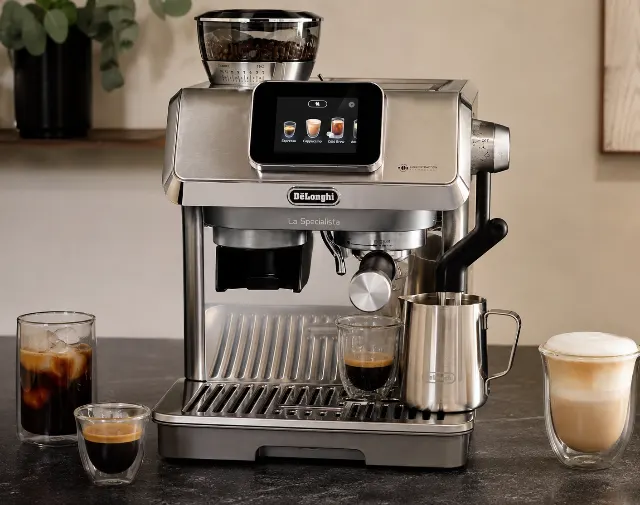
De'Longhi La Specialista Touch Espresso
The De'Longhi La Specialista Touch offers a uniquely guided manual espresso experience, excelling with its Smart Tamping Station but demanding a learning curve for its grinder and milk frothing.
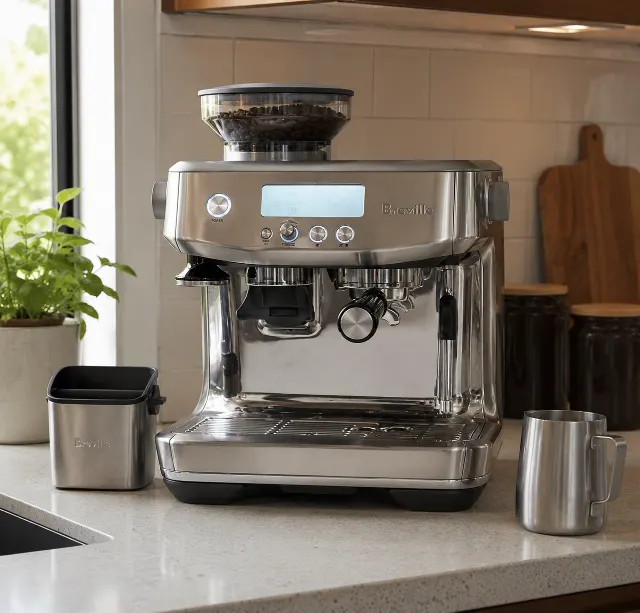
Breville Barista Pro
The Breville Barista Pro is an all-in-one espresso machine that excels at speed, thanks to its ThermoJet heating. It's a significant workflow upgrade over the Barista Express, but the integrated grinder remains its biggest long-term limitation for enthusiasts.
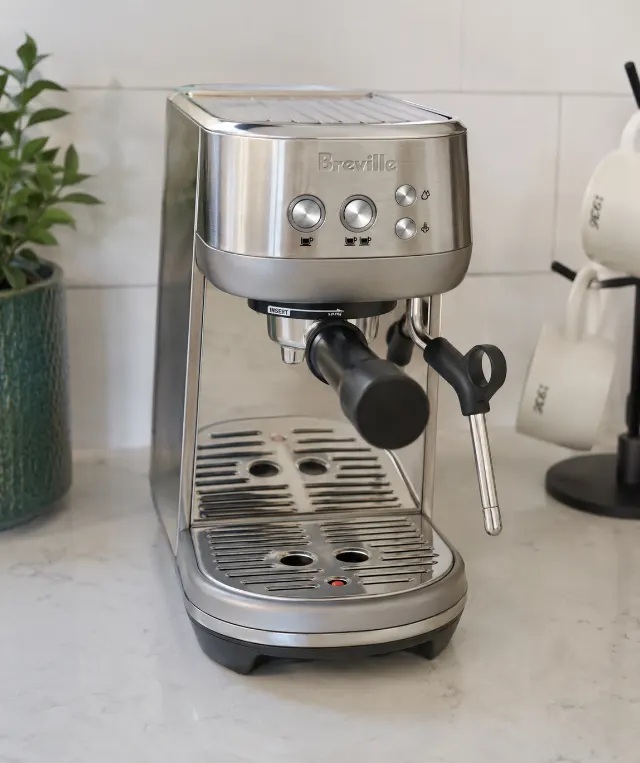
Breville Bambino
Our 2026 review of the Breville Bambino finds it's still the fastest entry-level espresso machine, but its long-term durability hinges on diligent cleaning.
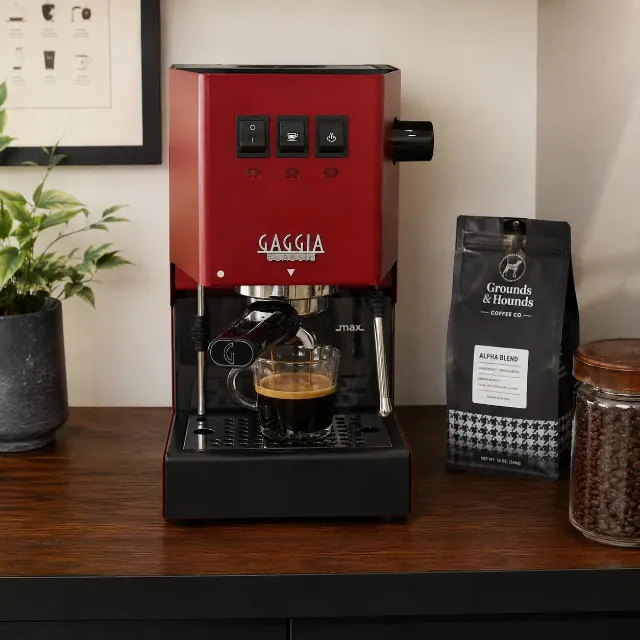
Gaggia Classic Pro
A durable, mod-friendly espresso machine for hobbyists, the Gaggia Classic Pro demands a learning curve but rewards with true café-quality potential.