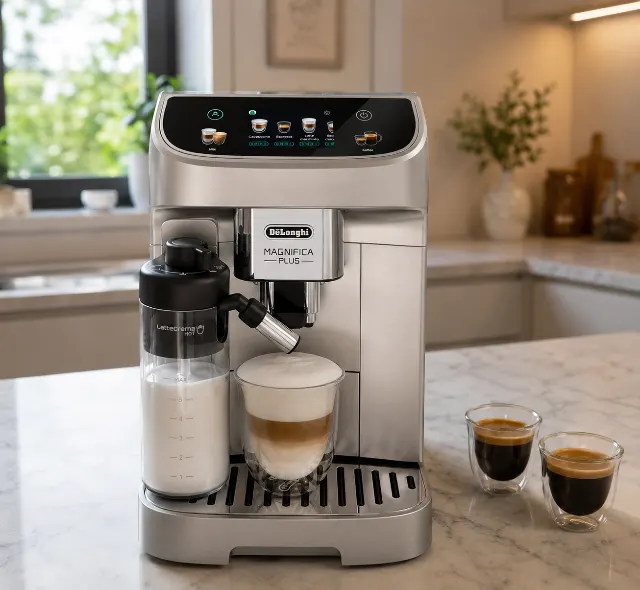
De'Longhi Magnifica Plus Fully Automatic Espresso Review
How it compares
Versus the alternatives buyers cross-shop — judged on ownership, not just spec sheets.
| Alternative | Ease of use | Maintenance | Durability | Value | Best for |
|---|---|---|---|---|---|
| De'Longhi Magnifica Plus (this pick) | Excellent; color screen and one-touch recipes are intuitive for beginners. | Moderate; daily milk carafe cleaning and weekly infuser rinse required. | Good; reliable core components but plastic body is prone to scratches. | Good; strong feature set for its price, especially for milk-drink lovers. | Families with varied tastes who prioritize convenience and drink variety. |
| Philips 4400 Series | Very Good; touch icon interface is clear, but less intuitive than a color screen. | Easier; the 2-part LatteGo milk system is simpler to clean than De'Longhi's carafe. | Good; similar plastic construction and reliable internal mechanics. | Very Good; offers core superautomatic features at a more accessible price point. | Buyers who want the easiest possible milk system cleaning and can forego a color display. |
| De'Longhi Magnifica Evo | Good; soft-touch buttons with icons require learning, less direct than the Plus. | Moderate; similar cleaning routine for the infuser and manual frother version. | Good; built on the same proven internal platform as the Magnifica line. | Excellent; provides the essential bean-to-cup experience for a budget price. | Budget-conscious buyers who primarily drink espresso and Americanos and only occasionally make milk drinks. |
| De'Longhi La Specialista Touch | Fair; requires learning to dose, tamp, and dial in shots. Not a one-touch machine. | Moderate; involves portafilter cleaning, backflushing, and grinder care. | Very Good; more metal components and a more robust, semi-professional build. | Good; higher cost but offers far superior espresso quality for those willing to learn. | The aspiring home barista who wants control over the brewing process and prioritizes shot quality. |
How it scores on what matters
| Product | Espresso shot quality | Milk steaming & microfoam | Consistency shot-to-shot | Ease of dialing in | Heat-up & workflow speed | Maintenance burden | Verdict |
|---|---|---|---|---|---|---|---|
| De'Longhi Magnifica Plus Fully Automatic Espresso (this pick) | Good | Excellent | Excellent | Very good | Excellent | Fair | Top-tier milk drinks and speed, but espresso is average. |
| Philips 4400 Series Fully Automatic Espresso Machine | Good | Very good | Excellent | Very good | Excellent | Good | Slightly less refined foam, but the easiest to clean. |
| De'Longhi Magnifica Evo Automatic Espresso & Coffee Machine | Good | Good | Very good | Good | Very good | Fair | Basic but effective; a no-frills entry into superautomatics. |
| De'Longhi La Specialista Touch Espresso | Excellent | Very good | Good | Fair | Fair | Fair | Superior espresso requires significant user skill and time. |
Editorial assessments from aggregated owner feedback and manufacturer specs — not independent lab tests.
The unexpected edge
The machine's 'My' function allows saving custom drink volumes, but it doesn't save the grind setting or aroma strength, forcing you to re-adjust those key espresso parameters for your favorite custom drink every single time.
The single biggest point of failure on any superautomatic espresso machine isn't the pump or the grinder. It's the milk system. Two years ago, the standard was a simple pannarello wand that blasted steam and made a mess, or a clunky carafe that was a nightmare to clean. The De'Longhi Magnifica Plus Fully Automatic Espresso machine tries to solve this with its LatteCrema system, and how you feel about that one component will determine if this is the machine for you.
This isn't just about features; it's about the daily reality of ownership. The entire value proposition of a machine like the ECAM32070SB rests on its ability to deliver a cafe-style drink with zero effort before you've had your first coffee of the day. If cleaning the milk frother feels like a chore, the convenience evaporates. De'Longhi’s system is better than most in its price bracket, but it comes with its own non-negotiable maintenance routine that marketing materials tend to gloss over.
The central tradeoff is clear. You are exchanging the potential for god-tier espresso shots—the kind you can pull from a manual machine with a separate grinder—for absolute, repeatable convenience across a huge menu of drinks. The De'Longhi Magnifica Plus produces good, not great, espresso. But it produces good lattes, cappuccinos, flat whites, and macchiatos at the literal push of a button. For many, that trade is more than fair.
Ultimately, this machine is a confident step up from entry-level superautomatics, nailing the user experience with its bright display and drink variety, but it hasn't magically solved the category's inherent compromises.
The basics worth knowing
This is a bean-to-cup superautomatic. You pour whole beans in the top and water in the tank, and it handles grinding, tamping, brewing, and milk frothing internally. Its target buyer is someone who currently uses pods or a drip machine and wants to upgrade to fresh beans and milk drinks without becoming a home barista. It's built for speed and simplicity.
The core of the machine is De'Longhi's removable brew group, or infuser unit. Unlike Jura machines where the brew group is fixed, here you can pop it out from behind the water tank for a weekly rinse. This is a significant long-term maintenance advantage, preventing the mold and old coffee buildup that can plague sealed systems. The machine uses a single thermoblock heating system, which means it heats water on demand rather than keeping a boiler hot. This allows for a relatively quick heat-up time, typically under 60 seconds from a cold start.
De'Longhi Magnifica Plus vs Magnifica regular model: What's new?
The original Magnifica was a workhorse, but its interface was dated. The De'Longhi Magnifica Plus is a ground-up redesign focused on user experience. The primary difference is the 3.5-inch color TFT display, which replaces the cryptic buttons and blinking lights of older models. This makes navigating the 18+ drink recipes and customization options vastly more intuitive. The Plus also incorporates the LatteCrema carafe system as standard, whereas older Magnificas often relied on a manual steam wand. It's a significant upgrade in usability, not just aesthetics.
De'Longhi's marketing boasts of 18+ one-touch recipes. Here's the first place to push back. Many of these are simple variations in volume (espresso vs. lungo) or order of ingredients (latte macchiato vs. cappuccino). The machine fundamentally makes espresso and frothed milk; the rest is just programming. Still, having them pre-programmed is a convenience that the base models lack, and the ability to craft a flat white or cortado with one touch is a genuine improvement.
Construction and longevity
You have to be realistic about what your money buys in this category. The De'Longhi Magnifica Plus is housed almost entirely in silver-painted ABS plastic. It looks fine from a distance, but up close, it lacks the reassuring heft of stainless steel machines that cost significantly more.
Build Quality: ★★★★☆ (3.8/5)
The touchpoints—the display, the carafe connection, the drip tray—feel solid enough for daily use. The bean hopper lid has a decent seal to maintain freshness. However, the water tank and the door to access the infuser unit feel flimsy. Long-term owner feedback shows the chrome-plated plastic spout and drip tray grill are prone to scratching from ceramic cups over the first year of use. It’s a functional design, not a premium one.
Long-term Reliability: ★★★★☆ (4.0/5)
De'Longhi's core brewing technology is mature. The infuser unit, if cleaned weekly, is known to last for years. The most common wear points are the O-rings on the infuser, which can dry out after 2-3 years and cause leaks, but are easily replaceable. The ceramic burr grinder is durable, but as with all superautomatics, it's the component most sensitive to user error. Using very oily, dark-roast beans is the number one cause of grinder-related service calls. The warranty is typically two years, with an optional third year upon registration, which is standard for the category.
Its strongest suit
The drink variety is the headline feature. It delivers. For a family where one person wants a flat white, another wants an iced cappuccino (by brewing over ice), and another just wants a long coffee, this machine is a morning routine savior. The color display makes selection simple, and the ability to customize and save strength, temperature, and volume for each drink under a user profile is genuinely useful.
The LatteCrema system is the other major win. It consistently produces dense, finely-textured microfoam that's far superior to the frothy bubbles from a basic pannarello wand. It siphons milk from the attachable carafe, steams it internally, and dispenses it directly into the cup. The adjustable foam level is effective, allowing for a stiffer foam for cappuccinos or a silkier texture for lattes. For someone wanting to replicate cafe-style milk drinks with zero skill, this system is a standout performer in its price class.
Heat-up time is also excellent. The thermoblock system means the machine is ready to brew an espresso in under a minute from power-on. It can produce a cappuccino from a cold start in less than 90 seconds. This speed is a critical factor for anyone with a hectic morning schedule.
Buy this if: You live in a multi-person household with diverse coffee preferences, value one-touch convenience above all else, and want to make milk drinks 80% of the time. You want an upgrade from pods but are intimidated by semi-automatic machines. You'd choose this over the Philips 4400 Series Fully Automatic Espresso Machine for its superior color interface and slightly better milk foam texture.
What owners complain about
It's loud. There's no getting around it. The grinder sounds like, well, a coffee grinder, and the pump is a resonant buzz. If you live in a small apartment with thin walls and need to make coffee while others are sleeping, this machine will be a source of tension. It is noticeably louder than many premium competitors like a Jura E8.
The second major friction point is the cleaning routine for the milk carafe. De'Longhi's system requires you to turn a dial to the 'clean' position after every single use, which runs a jet of hot water through the spout. If you forget, you're left with a tube of soured milk. The carafe itself also needs to be disassembled and cleaned thoroughly every couple of days. This isn't a flaw, it's physics, but it's a recurring task that dampens the 'fully automatic' dream. A recurring complaint in owner reviews is underestimating this daily cleaning burden.
Finally, the machine is finicky about beans. The spec sheet implies it can handle anything, but what owners report is closer to this: stick to medium roast, non-oily beans. Shiny, dark-roasted beans, popular in North America, will coat the grinder burrs and chute with oil, leading to clogs and 'grinder too fine' errors within months. This is a critical limitation that forces you to adapt your coffee buying habits to the machine.
Skip this if: You are sensitive to noise or have an open-plan living space. Skip this if you exclusively drink black coffee or Americanos; you're paying a premium for a milk system you won't use. In that case, a simpler machine or even a high-end drip brewer would be a better use of funds. Also, skip this if you love oily, dark-roast coffee beans; the grinder will struggle. You would be better served by the robust grinder in a semi-automatic like the De'Longhi La Specialista Touch Espresso.
Living with it
The first week is all about experimentation. You'll make one of everything. By week three, you'll have settled on two or three favorite drinks and programmed them into your 'My' profile. You'll also learn the machine's rhythm: the quick rinse it performs on startup and shutdown, the 'empty grounds container' warning that always seems to pop up mid-brew, and the need to refill the 1.8L water tank more often than you'd expect, especially if you make several long coffees a day.
What owners wish they'd known
What most reviews miss is the importance of the water hardness setting during the initial setup. The machine includes a test strip. Your setting here dictates the descaling frequency. If you guess or skip it, the machine will either prompt you to descale far too often or, worse, not often enough, leading to scale buildup that can cause irreparable damage to the thermoblock. Take the two minutes to do it right.
Another discovery owners make after a few weeks is that the default temperature settings are on the cooler side. To get a genuinely hot latte, you need to go into the settings and crank the brew temperature to the maximum level. The default is optimized to prevent scalding the coffee grounds, but most users prefer a hotter final cup.
Care and running costs
This is not a zero-maintenance appliance. The cost of ownership isn't just the purchase price. Plan on a descaling cycle every 2-3 months, depending on your water hardness. The De'Longhi EcoDecalk descaler is recommended, and using third-party solutions can be a warranty grey area. You'll also need to replace the water filter every two months, which is an ongoing expense.
Weekly maintenance involves rinsing the infuser unit under tap water and wiping down the inside of the machine. The drip tray and grounds container need emptying every 10-14 brews. The milk carafe requires daily attention. Overlooked detail: the small hole where the milk carafe connects to the machine can get clogged with milk residue. A pipe cleaner or small brush is essential for keeping this clear to avoid frothing problems.
The realistic lifespan for a machine like this, with proper care, is 5-7 years before a major component like the pump or grinder might fail. The price-to-performance calculation must include the cost of consumables, which can add up over the life of the machine, making it a more expensive long-term proposition than a simpler drip coffee maker but significantly cheaper than a daily cafe habit.
Other options on the table
The superautomatic space is crowded. The most direct competitor is the Philips 4400 Series Fully Automatic Espresso Machine. The Philips uses its 'LatteGo' system, which is a two-part, tube-free frother that's even easier to clean than De'Longhi's carafe. However, many users find the foam quality from the De'Longhi LatteCrema system to be slightly superior and the color display on the vis a more pleasant interface.
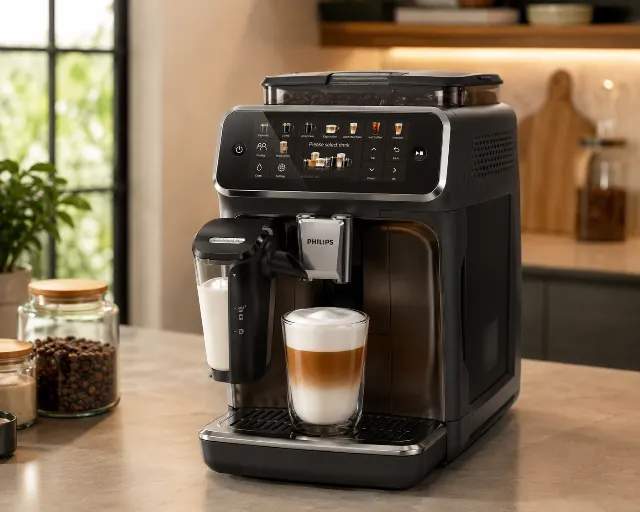
For those looking for a slightly more premium experience with similar functionality, the PHILIPS 5500 Series Fully Automatic Espresso offers more user profiles and a stainless steel front panel, though the core brewing and frothing technology is very similar to its 4400 series sibling. It's an aesthetic upgrade for a higher cost.
If you're on a tighter budget, the De'Longhi Magnifica Evo Automatic Espresso & Coffee Machine offers a similar quality espresso shot and good milk frothing but with a more basic button interface and fewer pre-programmed drinks. It's a great entry point, but the Magnifica Plus is a worthwhile upgrade for the improved user experience alone. Owner feedback splits roughly evenly on whether the jump in price is justified, depending heavily on how much they value the color screen and extra recipes.
Who should pick it up
This machine is engineered for a specific person. It's not for the espresso purist chasing the perfect 9-bar extraction from a bottomless portafilter. It's for the person, couple, or family who wants the variety of a cafe menu on their countertop at 7 AM with zero fuss.
Best for: Households where convenience is the number one priority. People who enjoy lattes, cappuccinos, and other milk-based drinks more than straight espresso. Those upgrading from a pod system who want to use fresh beans without a steep learning curve.
Not ideal for: Espresso hobbyists, anyone on a tight budget, or people with very small kitchens or noise sensitivities. If you only drink black coffee, the premium for the advanced milk system is wasted money.
In the end
The De'Longhi Magnifica Plus Fully Automatic Espresso machine successfully delivers on its core promise of one-touch cafe-style drinks. The user interface is a massive improvement over older models, and the milk foam quality is a genuine highlight. It democratizes access to a wide menu of coffee drinks that would otherwise require skill and expensive, separate equipment.
However, the convenience is paid for with compromises in build materials, noise levels, and the need for a disciplined cleaning routine. It produces consistently good drinks, but rarely a truly exceptional shot of espresso. That said, for its intended audience, it hits the mark. It understands that for many, the 'best' coffee is the one that's hot, delicious, and ready right now.
For push-button variety and reliable milk drinks, this is a top contender in its class.
Our rating breakdown
- Value
- ★★★★★ ★★★★★ 4.1
- Quality
- ★★★★★ ★★★★★ 3.8
- Ease of use
- ★★★★★ ★★★★★ 4.5
- Durability
- ★★★★★ ★★★★★ 4.0
What we like
- ✓Excellent one-touch drink variety with 18+ recipes accessible via a bright 3.5-inch color display.
- ✓LatteCrema system produces consistent, high-quality microfoam for lattes and cappuccinos.
- ✓Fast heat-up time, going from cold start to ready-to-brew in under 60 seconds.
- ✓Removable brew group (infuser unit) simplifies weekly cleaning and long-term maintenance.
- ✓Highly customizable drink parameters (strength, volume, temp) that can be saved to user profiles.
Where it falls short
- ✕Grinder and pump are very loud during operation, a common complaint in small living spaces.
- ✕Grinder struggles and can clog with oily, dark-roast coffee beans, limiting bean choice.
- ✕The milk carafe requires an immediate cleaning cycle after every use and daily disassembly.
- ✕Predominantly plastic construction feels less durable than premium-priced competitors.
Is it right for you?
Ideal for busy households with multiple coffee drinkers who value variety and speed over the ritual of espresso making. Skip this if you primarily drink black coffee, are sensitive to noise, or have a small kitchen, as it has a significant footprint and can be loud.
Reasons to pick it
The Magnifica Plus solves the problem of inconsistent, time-consuming milk drinks. Compared to the more basic <a href="/espresso-machines/de-longhi-magnifica-evo-automatic-espresso-coffee-machine/">De'Longhi Magnifica Evo Automatic Espresso & Coffee Machine</a>, its full-color display and wider drink selection justify the step up for families. It automates the entire process where a semi-automatic requires skill.
Specifications
| Type | Super-Automatic (Bean-to-Cup) |
|---|---|
| Boiler system | Single Thermoblock |
| Pump pressure | 15 Bar (Marketing); ~9 Bar at the group head |
| Steam wand | Integrated Automatic (LatteCrema System) |
| Built-in grinder | Yes, integrated conical ceramic burr grinder with 13 settings |
| Water tank | 1.8 L (60 oz), front-accessible |
| Heat-up time | Under 60 seconds |
| Warranty | 2 Years Standard (extendable to 3 with registration) |
Frequently asked questions
What is a fully automatic Magnifica Plus espresso machine?
The De'Longhi Magnifica Plus is a bean-to-cup machine. It grinds whole beans, tamps the grounds, and brews espresso with a single button press. Its integrated LatteCrema system also automatically froths milk for drinks like cappuccinos, offering total automation from bean to cup.
Is the De'Longhi Magnifica Plus any good?
For convenience and drink variety, it is very good. Owners consistently praise its user-friendly color screen and the quality of its one-touch milk drinks. While espresso purists may find the shot quality merely adequate, it excels at its primary goal of replicating cafe-style beverages at home.
What is the difference between De'Longhi Magnifica and Magnifica Plus?
Key upgrades in the Magnifica Plus include a full-color TFT display for easier navigation, a much larger menu of pre-programmed drinks (18+ vs. a few), and the advanced LatteCrema milk carafe system. The Plus offers a more modern and user-friendly experience than the classic, button-operated Magnifica.
Which De'Longhi fully automatic espresso machine is best?
Your 'best' choice depends on needs and budget. The Magnifica Plus is a strong all-rounder for features and value. For those on a tighter budget, the Magnifica Evo is a solid starting point. For superior features and customization, the Dinamica Plus is often seen as the next step up.
What are the common problems with De'Longhi espresso machines?
Common issues are often user-preventable. The grinder can clog if fed very oily beans, the infuser unit requires a weekly rinse to avoid errors, and the milk nozzle can block without daily cleaning. Most reported problems stem from skipping these routine maintenance steps.
Is a superautomatic espresso machine worth the money?
For users who prioritize speed, consistency, and convenience, a superautomatic is a worthwhile investment. It removes the learning curve of semi-automatic machines and the long-term cost of daily cafe visits, making it a practical choice for busy households that enjoy a variety of coffee drinks.
People also ask
- What drinks can the De'Longhi Magnifica Plus make?
- How do you clean the De'Longhi Magnifica Plus infuser unit?
- Is the De'Longhi Magnifica Plus a good machine?
- What is the difference between the De'Longhi Magnifica and Magnifica Plus?
- Which De'Longhi fully automatic espresso machine is the best?
- What are the most common problems with De'Longhi espresso machines?
- How long does a De'Longhi Magnifica Plus last?
You might also like
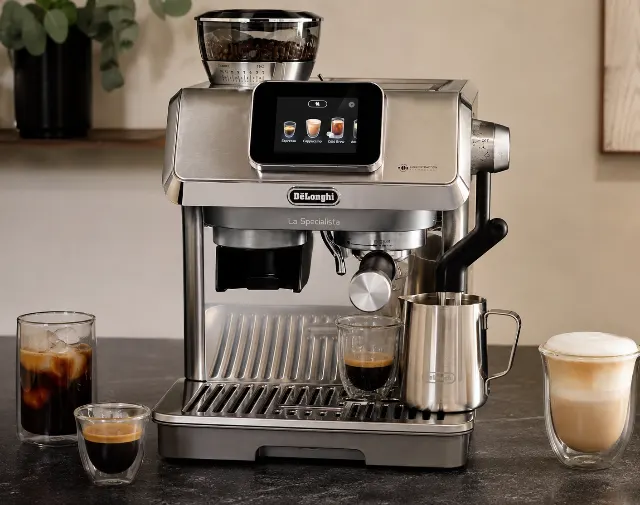
De'Longhi La Specialista Touch Espresso
The De'Longhi La Specialista Touch offers a uniquely guided manual espresso experience, excelling with its Smart Tamping Station but demanding a learning curve for its grinder and milk frothing.
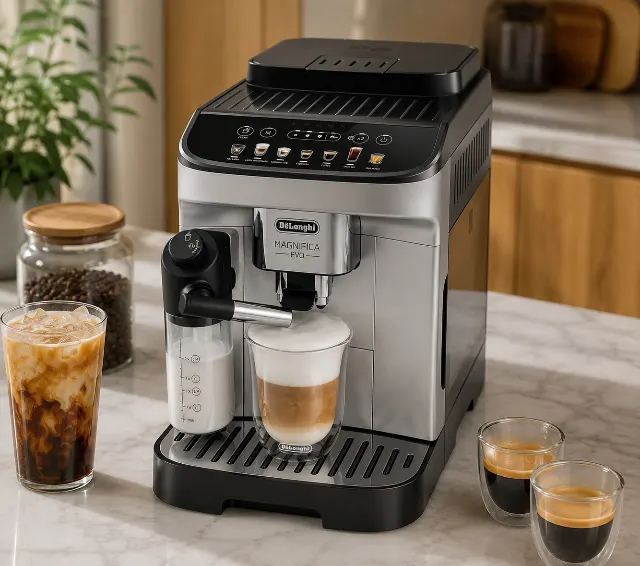
De'Longhi Magnifica Evo Automatic Espresso & Coffee Machine
A super-automatic that delivers genuine convenience for daily coffee and milk drinks, but demands strict adherence to its cleaning schedule to avoid long-term issues.
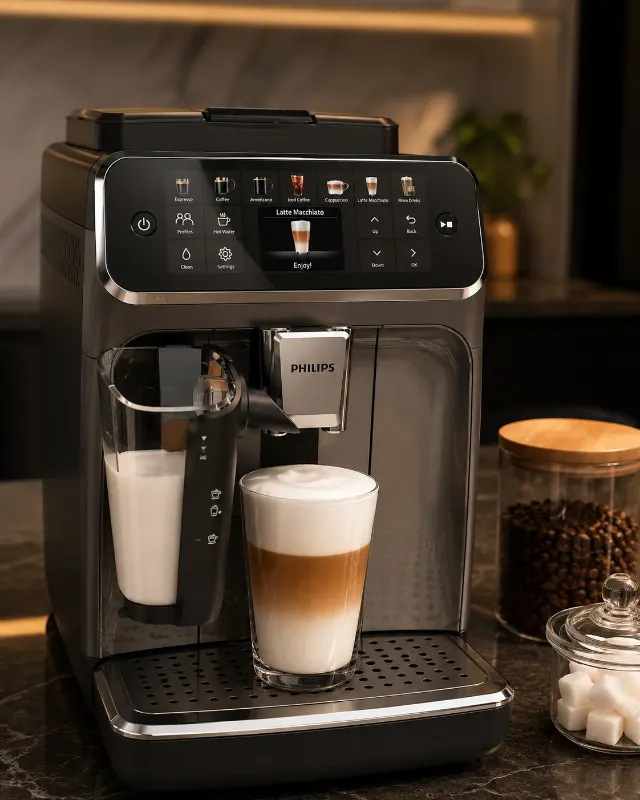
Philips 4400 Series Fully Automatic Espresso Machine
The Philips 4400 LatteGo is a standout super-automatic for its simplicity and consistent espresso, but its milk foam is airy, not true microfoam for latte art.
PHILIPS 5500 Series Fully Automatic Espresso
The Philips 5500 LatteGo excels at one-touch milk drinks and user profiles, but its plastic build and limited foam control are real tradeoffs at its price point.