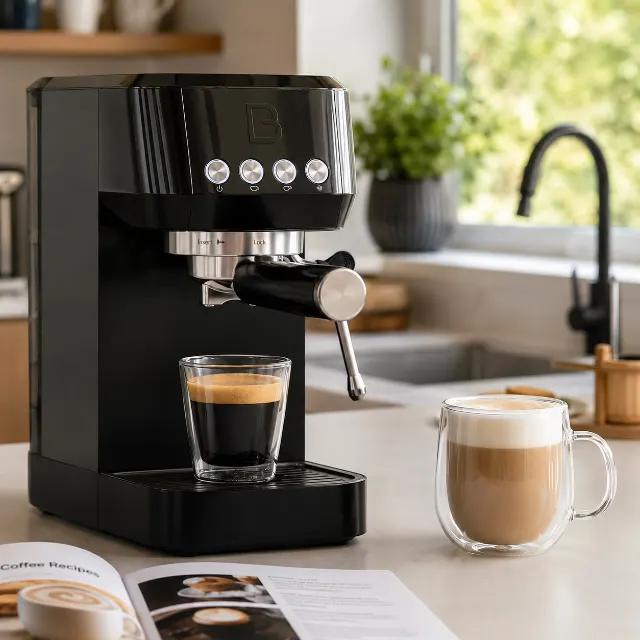
Casabrews 3700 Essential Review
How it compares
Versus the alternatives buyers cross-shop — judged on ownership, not just spec sheets.
| Alternative | Ease of use | Maintenance | Durability | Value | Best for |
|---|---|---|---|---|---|
| Casabrews 3700 Essential (this pick) | Very simple | High frequency | Questionable | High initial features | The absolute beginner on a tight budget needing an all-in-one. |
| Breville Barista Express | Moderate learning curve | Standard | Proven track record | Strong long-term | The serious beginner willing to spend more for better results. |
How it scores on what matters
| Product | Espresso shot quality | Milk steaming & microfoam | Consistency shot-to-shot | Ease of dialing in | Heat-up & workflow speed | Maintenance burden | Verdict |
|---|---|---|---|---|---|---|---|
| Casabrews 3700 Essential (this pick) | Fair | Weak | Fair | Fair | Excellent | Good | Fast to start, but grinder and steam wand limit quality. |
| Breville Barista Express | Good | Good | Good | Good | Good | Good | The proven, capable all-in-one benchmark for serious beginners. |
| De'Longhi La Specialista Arte | Good | Good | Fair | Good | Very good | Very good | A stylish alternative with helpful dosing tools for novices. |
Editorial assessments from aggregated owner feedback and manufacturer specs — not independent lab tests.
The thing owners notice
The machine's thermoblock is tuned for speed, not stability. Pulling a 'blank' shot first to preheat the portafilter and group head is non-negotiable for achieving consistent extraction temperatures.
The most common myth about entry-level espresso machines is that you can buy one, pair it with pre-ground coffee, and replicate your favorite café's latte. That belief lasts about a week. The reality owners discover after twelve months is that the machine itself is only one part of a system, and often not the most important one. Your grinder, your technique, and your patience matter more. An inexpensive machine paired with a capable grinder will always produce better espresso than a premium machine fed inconsistent, stale grounds.
This is the world the Casabrews 3700 Essential lives in. It is not a magic box that produces perfect espresso on day one. It is an accessible tool for learning the craft. It rewards good puck prep and fresh coffee, and it punishes carelessness with sour, thin shots, just like a more expensive machine would. Its purpose is to be the machine you learn on, make mistakes with, and ultimately decide if this hobby is for you.
The central tradeoff is clear: you get a fast-heating machine with manual controls that can produce genuine espresso for a budget-friendly price. In return, you accept a limited steam wand, a non-standard portafilter size that complicates upgrades, and a build quality that reflects its cost. For the right person, this is a brilliant deal. For the wrong person, it's a stepping stone they'll want to replace in six months.
What this is, in plain terms
The Casabrews 3700 Essential is a compact, semi-automatic, single-thermoblock espresso machine. That means it has one heating element that it switches between brewing water and creating steam, but it can't do both simultaneously. It is optimized for speed and small kitchens. The thermoblock heats water on demand, allowing the machine to be ready in under a minute, a significant advantage over traditional single boiler machines that can take 10-15 minutes to stabilize.
Its target buyer is someone moving up from a pod machine or a drip coffee maker who is curious about the espresso hobby. The spec sheet heavily promotes its 20-bar pump. This is a classic marketing tactic in this category, and it's misleading. The industry standard for optimal espresso extraction is 9-bar of pressure at the group head. Excessively high pressure can actually harm extraction, leading to channeling and bitterness. The machine uses an over-pressure valve (OPV) to regulate this down, but the focus on the 20-bar figure is pure marketing noise. What matters is that it can reliably produce 9-bar, which it does.
Is the Casabrews 3700 Essential Good for Beginners?
Yes, but with a significant asterisk. The 3700 Essential is good for beginners who want to learn. The included pressurized portafilter baskets are forgiving, creating artificial crema and yielding a drinkable shot even with a mediocre grinder or imperfect technique. This provides a gentle on-ramp. However, the manual steam wand has a steep learning curve. It is not the auto-frothing wand found on the Pro model or other machines. Mastering it to create silky microfoam for latte art takes considerable practice, making it a challenge for those whose primary goal is milky drinks.
The build, up close
Build Quality: ★★★★☆ (3.9/5)
The shell is brushed stainless steel, which looks sharp on a counter and feels more substantial than the all-plastic bodies of some competitors like the De'Longhi Dedica . The controls are simple and direct. However, the group head cover, drip tray, and the portafilter handle are plastic. The internals, including the pump mounts and some tubing, are also plastic to keep costs down. It feels solid enough for its price tier, but it lacks the heft of a machine like the Gaggia Classic Pro.
Long-term Reliability: ★★★☆☆ (3.8/5)
Long-term owner feedback shows a predictable pattern for thermoblock machines in this category. The pump and heating element are generally robust for the first 18-24 months of daily use. The most common failure points are the small silicone gaskets and O-rings, which can degrade and cause leaks. The plastic portafilter locking mechanism can also show wear over time, leading to a less secure fit. The warranty is typically one year, and post-warranty repairs can be difficult to source. Regular descaling is absolutely critical to its lifespan.
Where it performs
Its speed is the primary advantage. From a cold start, the Casabrews 3700 Essential is ready to pull a shot in about 45 seconds. This is a direct result of its thermoblock system and a genuine benefit for busy mornings. Shot-to-shot temperature consistency is surprisingly decent for this price point, thanks to a basic PID temperature control circuit that keeps the water within a narrow brewing window. It's not as precise as more expensive systems, but it's a vast improvement over older machines that relied on simple thermostats.
The compact footprint is another major strength. At under 6 inches wide, it fits comfortably in small kitchens, apartments, or dorm rooms where counter space is at a premium. For someone wanting to dip their toes into the hobby without dedicating a whole coffee bar, this is a compelling feature. The espresso it produces, especially when paired with a capable grinder and a non-pressurized basket, can be genuinely good—rich, balanced, and far superior to what any pod system can deliver.
Buy this if: You live in an apartment with a tiny kitchen, want to learn the fundamentals of espresso puck prep on a forgiving machine, and your budget for the machine itself is firm. You understand you'll need to buy a separate, decent grinder and are willing to practice with the steam wand. You see this as a 2-3 year machine, not a lifetime purchase.
The rough edges
The steam wand is the machine's biggest weakness. While it can produce steam, its single-hole tip and modest power make it difficult to create true, vortex-driven microfoam. Owners consistently report a frustrating learning curve, often producing bubbly, stiff foam instead of the silky texture needed for latte art. It can heat milk for a cappuccino, but creating art is a significant challenge. This is a major point of divergence from the Breville Bambino, which has a much more capable steam system.
Another significant limitation is the 51mm portafilter. While common in this budget tier, the enthusiast world has largely standardized around the 58mm size. This severely limits the availability of high-quality aftermarket accessories like tampers, distribution tools, and precision baskets. While some 51mm bottomless portafilters exist, the selection is sparse compared to the vast 58mm ecosystem. Overlooked detail: The included plastic tamper is essentially useless; budgeting for a proper 51mm steel tamper is a mandatory day-one upgrade.
Finally, the model lineup causes endless confusion. The 3700 Essential, 3700 Pro, and the visually similar CM5418 are distinct machines. Buyers frequently purchase accessories for the wrong model. The Essential has the manual wand, while the Pro has an automatic frother. This lack of clarity is a recurring complaint in owner forums.
Skip this if: Your main goal is making café-quality lattes and cappuccinos with latte art. The steam wand will be a constant source of frustration. Instead, save up for the Breville Bambino. Also skip this if you are a tinkerer who plans to upgrade components over time; the 51mm ecosystem is a dead end. You'd be better served by finding a used Gaggia Classic Pro.
Living with it
The daily routine settles in after a few weeks. You'll turn it on, place the portafilter in the group head to preheat, and run a blank shot into your cup to warm it. While the machine heats, you grind your beans. The workflow from shot to steam requires a specific dance. After pulling your espresso, you flip the switch to steam, wait about 20-30 seconds for it to heat up, purge the water condensation from the wand, and then steam your milk. It's a process that becomes second nature but highlights the limitation of a single heating system.
What most reviews miss: The stock pressurized baskets mask grinder deficiencies. Many owners use them for months with pre-ground coffee and are reasonably happy. The moment you switch to a non-pressurized, single-wall basket to unlock the machine's true potential, the need for a quality burr grinder becomes painfully obvious. This is the machine's hidden cost; without a grinder capable of fine, consistent adjustments, you will not get good results with a proper basket.
The feature most owners report using less than expected is the programmable shot volume. While it works, most users who get serious about quality quickly switch to pulling shots manually with a scale underneath, stopping the shot based on weight (e.g., a 1:2 ratio of coffee grounds to liquid espresso) for maximum consistency. The volumetric buttons become relegated to just starting and stopping the pump.
Maintenance & long-term ownership
This is not an appliance you can ignore. The cleaning cadence is straightforward but non-negotiable. The steam wand must be wiped and purged with steam immediately after every single use to prevent milk from caking inside. The drip tray needs emptying daily. The portafilter and basket should be rinsed after each shot. A deeper clean, involving a backflush with a blind basket and a coffee-safe detergent like Cafiza, should be performed every 1-2 months to keep the group head and shower screen clean.
Descaling is the most critical long-term task. Depending on your water hardness, this should be done every 2-4 months. Hidden cost: Neglecting to descale a thermoblock machine is catastrophic. Unlike a boiler, the narrow water channels inside the thermoblock can become permanently clogged with scale, leading to low pressure and insufficient heat, effectively ruining the machine. The cost of descaling solution is a minor but necessary part of the long-term cost of ownership.
The first part to wear out is typically the group head gasket, a silicone ring that seals the portafilter. Expect to replace it every 12-18 months. It's an inexpensive part but essential for a proper seal. The realistic lifespan for a machine like the Casabrews 3700 Essential under daily use is about 3-5 years before a more significant component like the pump or thermoblock fails.
How to Clean the Casabrews 3700 Milk Frother Wand
Cleaning the manual steam wand is a two-part process. Immediately after frothing, wipe the exterior with a clean, damp cloth. Then, point the wand over the drip tray and turn the steam on for 2-3 seconds. This purge clears any milk that was sucked into the wand tip. For a deeper clean once a week, unscrew the metal tip and soak it in hot water with a bit of espresso machine cleaner to dissolve any hardened milk residue. Use a pin or paperclip to ensure the steam hole is completely clear before reattaching.
How it stacks up to rivals
The competitive landscape is fierce. Its most direct rival is the De'Longhi Dedica . The Dedica is often slimmer and more stylish, but the 3700 Essential generally has a more robust-feeling stainless steel construction. Internally, they are very similar thermoblock machines with 51mm portafilters, and performance is comparable. The choice often comes down to aesthetics and current price.
The most logical upgrade is the Breville Bambino. It costs more but offers a quantum leap in performance, primarily through its ThermoJet heating system (even faster than a standard thermoblock) and a far superior steam wand that can produce genuine microfoam with ease. For anyone serious about milk drinks, the Bambino is worth the extra investment.
An interesting alternative is the Wirsh Home Barista Plus, which often includes a built-in grinder. While this seems like a great deal, integrated grinders in this price bracket are almost always the weakest link, offering poor consistency and limited adjustment range. You are almost always better off with the 3700 Essential and a separate, dedicated espresso grinder like a Baratza Encore ESP. The Casabrews ecosystem itself offers the Casabrews Ultra Espresso as a step-up, which typically includes a better pressure gauge and some design refinements, but shares the same core limitations.
Casabrews 3700 Essential vs. CM5418: Key Differences
The primary difference between the Casabrews 3700 Essential and the often-confused CM5418 is the user interface and sometimes the steam wand. The CM5418 often features a more prominent pressure gauge on the front and may have slightly different button layouts. Functionally, they are built on the same chassis with the same thermoblock, pump, and 51mm group head. Performance is virtually identical. Buyers should choose based on price and whichever aesthetic they prefer, as the resulting espresso will be the same.
Casabrews vs. De'Longhi: Which is Better for You?
Neither brand is definitively 'better'; they target the same entry-level user with different philosophies. De'Longhi, with models like the Dedica, prioritizes a very slim, design-conscious footprint. Casabrews tends to offer more features for the money, like the visible pressure gauge and stainless steel housing on the 3700 Essential. De'Longhi has a longer track record and broader service network. Casabrews competes aggressively on price-to-performance. If aesthetics are your top priority, De'Longhi often wins. If you want the most machine-like features for your dollar, Casabrews is compelling.
Who should pick it up
Best for: The curious beginner on a tight budget who wants to learn the process of making espresso. You have very little counter space and prioritize speed on weekday mornings. You drink mostly straight espresso or Americanos and consider milk drinks a secondary concern.
Not ideal for: The aspiring latte artist, the tinkerer who wants to upgrade parts, or anyone who wants a machine that will last a decade. You will be frustrated by the steam wand's limitations and the dead-end 51mm portafilter ecosystem.
This machine finds its footing with the right expectations. It is a tool for discovery. It's capable enough to teach you what good espresso tastes like and what's involved in making it. It is also limited enough that it will make you appreciate the features of a more expensive machine if you decide to upgrade. It successfully bridges the gap between appliance-grade coffee makers and the serious hobbyist machines.
In the end
The Casabrews 3700 Essential is a fundamentally honest machine. It doesn't hide its budget-conscious nature, but it also delivers on its core promise: it can make real espresso. It forces the user to learn the importance of a good grinder, fresh beans, and proper technique, which are the most valuable lessons in this hobby. The frustrations with its steam wand and the limitations of its portafilter are real, but they are also commensurate with its price point.
It is not the last espresso machine you will ever buy, but it is a very competent first one. It provides an affordable entry into a rewarding hobby, with all the challenges and triumphs that entails. For the curious and patient beginner, it's a sound choice.
If you want to learn the fundamentals of espresso without a huge initial investment, this is a smart place to start.
Score by category
- Value
- ★★★★★ ★★★★★ 4.6
- Quality
- ★★★★★ ★★★★★ 3.9
- Ease of use
- ★★★★★ ★★★★★ 4.4
- Durability
- ★★★★★ ★★★★★ 3.8
Strengths
- ✓Includes a full accessory kit out of the box — tamper, milk pitcher, and both pressurized/non-pressurized baskets — which competitors often sell separately.
- ✓Features a prominent, easy-to-read pressure gauge, providing immediate visual feedback for beginners learning to dial in their shots.
- ✓Very fast startup with a thermoblock heating system that's ready to pull shots in under 45 seconds from a cold start.
- ✓The built-in conical burr grinder offers 15 distinct adjustment settings, a tangible feature for moving from coarse to fine.
- ✓Offers both volumetric (1-cup, 2-cup) and manual shot control, giving new users a path to advance their technique.
What to watch for
- ✕The 51mm portafilter is a non-standard size, severely limiting the availability of quality aftermarket accessories like tampers, funnels, and precision baskets.
- ✕Owners consistently report the built-in grinder struggles to grind fine enough for light roasts and produces inconsistent results, making it the machine's weakest link.
- ✕The steam wand lacks the power for true microfoam; users find it produces stiff, bubbly foam for cappuccinos but fails to create silky texture for latte art.
- ✕Build quality is a recurring complaint, with a lightweight, predominantly plastic construction that owners feel lacks the durability of established brands.
Who gets the most from it
Ideal for the aspiring home barista with limited counter space and a strict budget. You want to learn the fundamentals of dialing in a shot without the four-figure investment. Skip this if you are primarily focused on latte art or want a machine that supports a straightforward upgrade path to prosumer accessories; you will be frustrated within a year.
Why it earns a spot
The 3700 Essential solves the problem of the high cost of entry for espresso as a hobby. It offers manual control over the shot, unlike a pod machine, for a fraction of the price of a machine like the <a href="/espresso-machines/breville-bambino/">Breville Bambino</a>. It delivers a tangible step-up in shot quality over appliance-grade machines from department stores, making it a logical first purchase.
Specifications
| Type | Semi-automatic with built-in grinder |
|---|---|
| Boiler system | Thermoblock |
| Portafilter size | 51mm |
| Pump pressure | 20 Bar (Maximum) |
| Steam wand | Panarello-style manual wand |
| Built-in grinder | Conical burr, 15 settings |
| Water tank | 1.5L removable |
| Heat-up time | Approx. 25-45 seconds |
| Warranty | 1-year limited |
Frequently asked questions
Is the Casabrews 3700 Essential a good machine for a total beginner?
Yes, its pressurized baskets are forgiving of imperfect grind size and tamping. The 20-bar pump is mostly marketing, but the simple button interface and included accessories mean you can pull a decent shot minutes after unboxing, which is exactly what a newcomer needs to avoid frustration.
What's the real difference between the 3700 Essential and the cheaper CM5418?
The key upgrade is the 3700's PID temperature controller, which provides much more stable brew water temperature shot-to-shot. The CM5418 uses a more basic thermoblock, leading to wider temperature swings that can make espresso taste inconsistent, sour, or bitter. The 3700 is the more consistent machine.
Should I get this Casabrews or a De'Longhi Stilosa?
Get the Casabrews. While both use 51mm pressurized baskets, the 3700 Essential includes a PID for temperature stability, which the Stilosa lacks. This single feature makes it much easier to get repeatable, better-tasting espresso, justifying the small price difference over the more basic De'Longhi.
What size portafilter and tamper do I need for the 3700 Essential?
This machine uses a 51mm portafilter, a common size for entry-level models. The plastic tamper it comes with is flimsy; for better results, you’ll want to immediately buy a proper 51mm calibrated tamper made of stainless steel. It makes a significant difference in puck preparation.
Can I use a standard, non-pressurized basket with the 3700 Essential?
You can, but it exposes the machine's limits. To get a decent shot from a 51mm non-pressurized basket, you'll need a capable espresso grinder like a Baratza Encore ESP. Using pre-ground coffee will result in a fast, watery, underextracted shot. It's an upgrade for tinkerers only.
How often do I really need to clean the steam wand?
Wipe it with a damp cloth immediately after every single use—no exceptions. Milk proteins cook onto the metal instantly. If you let it sit, you'll need to soak it to remove the crust. Purge the wand for 1-2 seconds after wiping to clear any milk from inside.
People also ask
- Is the Casabrews 3700 Essential a good machine for beginners?
- What is the difference between the Casabrews 3700 and CM5418?
- Is Casabrews or De'Longhi a better brand for espresso?
- How do you use the Casabrews 3700 steam wand effectively?
- What size is the Casabrews 3700 Essential portafilter?
- How do you clean the Casabrews 3700 milk frother wand?
- Is the Casabrews 3700 Essential worth it in 2026?
- Can you use a non-pressurized basket with the Casabrews 3700 Essential?
- Is the Casabrews 3700 Essential a good espresso machine?
- What is the difference between the Casabrews 3700 Essential and the CM5418?
- How do you use the Casabrews 3700 espresso machine?
- What is the portafilter size for the Casabrews 3700 Essential?
You might also like
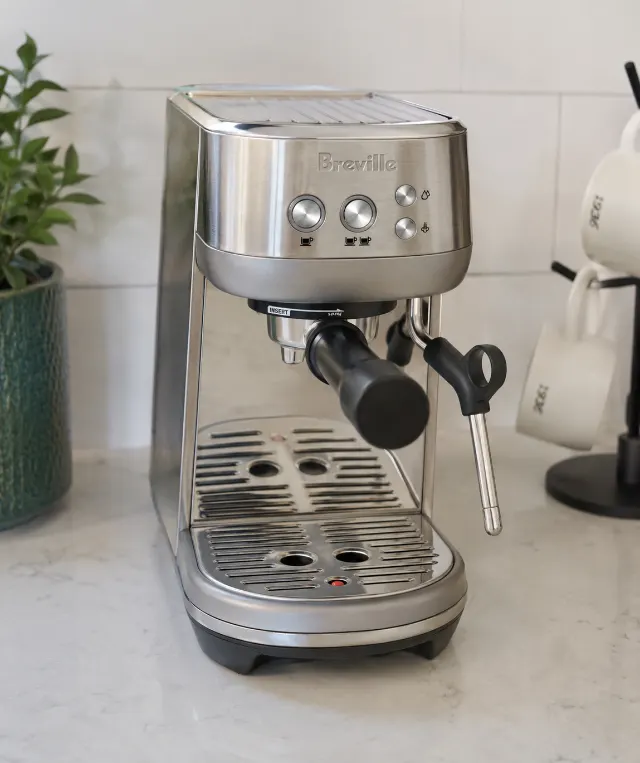
Breville Bambino
Our 2026 review of the Breville Bambino finds it's still the fastest entry-level espresso machine, but its long-term durability hinges on diligent cleaning.
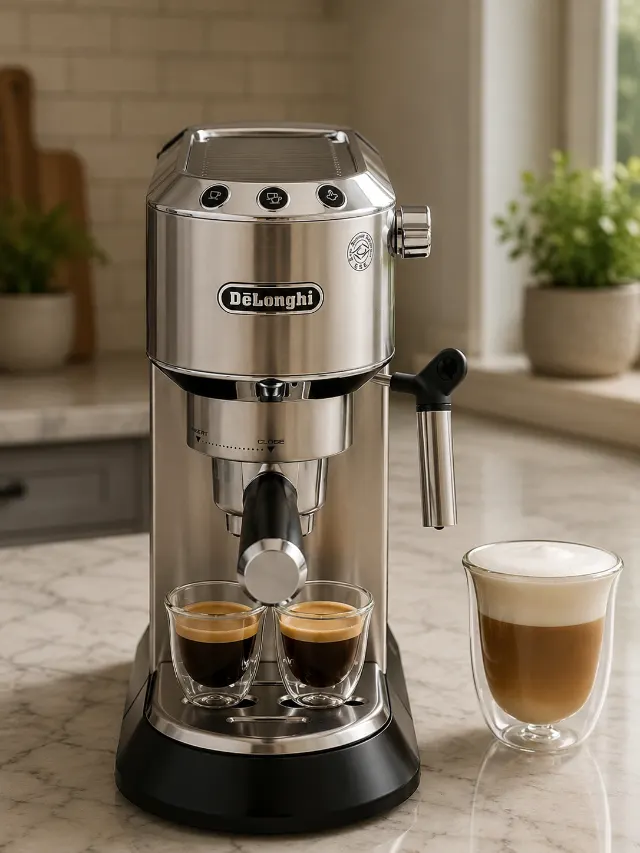
De'Longhi Dedica
The De'Longhi Dedica is a compact, fast-heating espresso machine ideal for small kitchens, but its pressurized system and weak steam wand limit true espresso hobbyists.
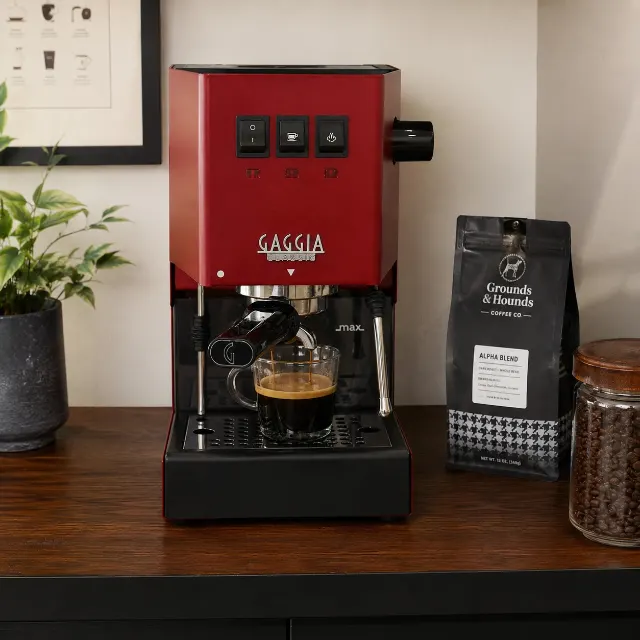
Gaggia Classic Pro
A durable, mod-friendly espresso machine for hobbyists, the Gaggia Classic Pro demands a learning curve but rewards with true café-quality potential.