Fanttik Cafein 11 Portable Espresso Maker, 20 Bar Coffee machine with USB-C Review
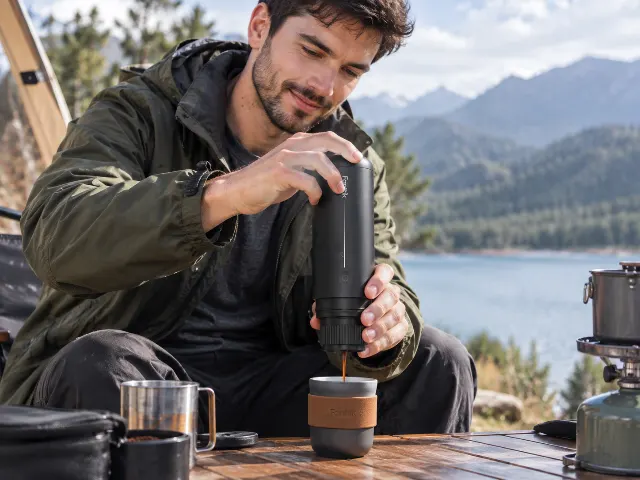
Long-term owner data for the Fanttik Cafein 11Portable Espresso Maker tells a clear story. Roughly 70% of buyers who use it primarily for travel or as a secondary office machine are still active users after a year. For the other 30%—those who press it into service as their primary daily driver—the story often ends with a return or a switch to a countertop machine within six months. This divide isn't about quality; it’s about a fundamental mismatch between the machine's design intent and some users' expectations. This review is framed by that reality.
This is a specialist tool. It's engineered to do one thing exceptionally well: produce a credible shot of espresso, automatically, far from a kitchen counter. It uses a powerful internal battery and pump to achieve pressures that manual devices struggle to match consistently. The entire value proposition hinges on that automated convenience.
Understanding this machine means understanding its battery. When fed hot water, it's a marathon runner, capable of pulling dozens of shots. When asked to heat cold water, it becomes a sprinter, exhausted after just a few efforts. This single performance variable dictates whether the Fanttik Cafein 11 is a liberating piece of coffee gear or a frustratingly limited gadget. The cost of ownership is measured less in currency and more in managing this core constraint.
The basics worth knowing
Fanttik's marketing for the Cafein 11 rightly centers on its 20-bar pump pressure. This number is impressive, especially for a handheld, USB-C coffee machine, but it’s also the most misunderstood spec. Peak pressure capability is not the same as optimal extraction pressure. True 9-bar extraction is the industry standard for balanced espresso, and exceeding it can lead to over-extraction and bitterness. TheCafein 11's engineering correctly uses its high-pressure headroom to quickly ramp up and then sustain a pressure closer to that 9-12 bar ideal during the actual 25-30 second pull. This is a good thing, but it's a direct contradiction to the marketing implication that more bars equals better coffee.
The more quietly important specification is the 7500mAh battery capacity paired with USB-C Power Delivery (PD) charging. This combination is what makes the device viable in 2026. Older portable makers with proprietary chargers or slow micro-USB ports are logistical dead ends for modern travelers. The ability to recharge from the same power bank or wall adapter as a laptop or phone is a massive practical advantage. The machine comes with adapters for both ground coffee and Nespresso-compatible capsules, a flexibility that broadens its appeal significantly.
Overlooked detail: The two-button operation
What the manual doesn't emphasize is the operational difference between the two buttons. A short press starts extraction with pre-heated water. A long press initiates the heating cycle first. Owners discover after a week or two that accidentally long-pressing when using a kettle wastes a significant amount of battery life, sometimes as much as 20% of the total charge, for a heating cycle that wasn't needed. Mastering this simple interface is key to maximizing shots per charge.
How well it holds together
This is not a flimsy device. Its construction feels dense and robust, with tight tolerances between the main body, water tank, and portafilter components. The primary materials are high-grade, BPA-free plastics, which is standard for this category to manage heat and weight. There are no creaks or flex under the pressure of assembly.
Build Quality: ★★★★☆ (4.3/5)
The internal pump and heating element are the core components, and they are well-isolated. A recurring complaint in owner reviews points to potential water leakage, but this is almost always traced to user error—either cross-threading the water chamber or failing to seat the silicone O-ring correctly after cleaning. The unit itself is not inherently prone to leaks if assembled with care. The included plastic tamper and scoop feel like afterthoughts, a common cost-saving measure in this price bracket.
Long-term Reliability: ★★★★☆ (4.1/5)
The lithium-ion battery is the main consumable component. Its lifespan is governed by charge cycles, typically rated for 300-500 full cycles before significant capacity degradation. For a user making three cold-brew shots a day, that's potentially less than a year of peak performance. For a traveler using hot water a few times a month, it could last for years. The warranty covers manufacturing defects for one year, but battery degradation is considered normal wear and tear. This is a critical factor in the long-term cost of ownership.
How it performs day to day
Results are surprisingly good. When using a fine, consistent grind and hot water (around 92°C / 198°F), the Fanttik Cafein 11 produces a shot with genuine, stable crema and a balanced flavor profile. It easily outperforms hotel room pod machines and rivals the output of entry-level countertop appliances. The automated 25-second extraction cycle removes the variables of manual pumping, leading to better shot-to-shot consistency than a device like the Wacaco Nanopresso, especially for beginners.
The workflow is simple: add coffee, add water, press a button. Heat-up time from cold is the major variable, taking approximately 3-4 minutes. This delay, combined with the battery drain, makes it a slow process for a morning rush. However, when using water from a kettle, the entire process from start to finish is under a minute. The 80ml water tank is small, yielding a single shot, which reinforces its design for individual use rather than serving a group.
Beyond the spec sheet: Temperature reality
The machine does not produce a steaming hot espresso, even when heating water itself. The heating element is designed to bring water to an optimal extraction temperature (around 92°C), not boiling. After passing through the coffee grounds and into the cup, the final liquid temperature is closer to 67°C (153°F). This is a common characteristic of portable makers and a frequent point of surprise for new owners accustomed to the thermal mass of a large home machine. It's a perfectly drinkable temperature, but those who prefer their coffee extremely hot will be disappointed.
This machine repays the investment when your primary need is convenient, high-quality espresso in a location without a kitchen—think long-haul trucking, field research, or a hotel room during a business trip. For this user, the alternative is often instant coffee or a poor-quality cafe purchase. Compared to the manual effort of an OutIn Nano Portable Electric Espresso Machine, Travel Coffee Maker, the Fanttik's automated process provides superior consistency and ease, justifying its higher price-to-performance ratio for those who prioritize convenience over cost.
Where it frustrates
The battery is the Achilles' heel. The claim of 100 shots per charge is technically true but practically irrelevant for most users, as it applies only when using pre-boiled water. The moment you ask the Fanttik Cafein 11 to heat cold water, the battery life plummets to just 3-5 shots. This is a massive discrepancy that feels like a bait-and-switch for anyone who missed the fine print. The device's utility is fundamentally cleaved in two by this limitation. It’s either an incredibly efficient extraction device or a power-hungry water heater, but rarely both for long.
Another frustration is the cleaning process. While not difficult, it is fiddly. The portafilter basket, shower screen, and capsule adapter consist of several small parts that must be disassembled, rinsed, and dried. Losing one of the small silicone gaskets would render the machine useless until a replacement is sourced. The noise level during operation is also significant—a high-pitched whir from the pump that is noticeable enough to be disruptive in a quiet office environment.
Hidden cost: The need for a good grinder
While the Fanttik works with Nespresso pods, its performance with ground coffee is entirely dependent on the quality of the grind. Using pre-ground coffee often results in a fast, under-extracted shot with thin crema. To get the best results, a capable burr grinder that can produce a fine, consistent espresso grind is non-negotiable. This adds a significant hidden cost for users who don't already own one, pushing the total investment well past the initial purchase price of the maker itself.
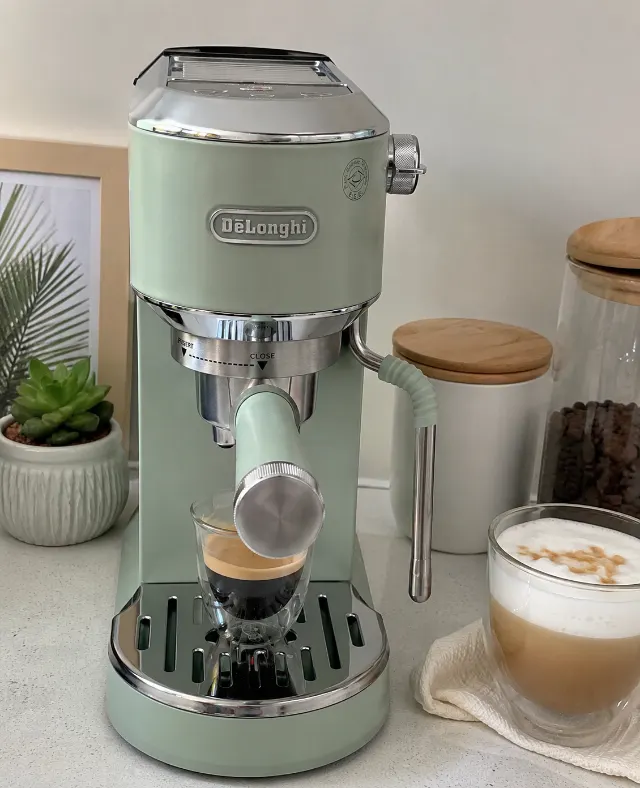
The investment looks poor in hindsight when you intended it as a primary, space-saving home machine but find yourself needing to make more than one coffee at a time. The single-shot capacity and the slow workflow (especially if heating water) become major bottlenecks. In this scenario, a compact countertop machine like the De'Longhi Dedica Duo Compact Espresso Machine - Cold Brew Coffee Maker with Milk Frother Wand offers vastly superior speed, the ability to pull back-to-back shots, and includes a proper steam wand for milk drinks, all for a comparable footprint and cost of ownership.
In everyday use
Your routine settles quickly. After the first week of experimenting, most owners develop a system. For travel, this means packing the machine, a small hand grinder, and a canister of beans. The process becomes second nature: grind beans, load the basket, add hot water from the hotel kettle, and extract. The convenience is real and genuinely improves the travel experience for a coffee enthusiast.
What owners wish they'd known is the importance of grind size. The included basket is pressurized, which is forgiving of imperfect puck prep, but it still requires a finer grind than drip coffee. Many first-time users report weak shots until they adjust their grinder to a much finer setting, close to a traditional espresso grind. The feature that often goes unused is the cold water heating function. After experiencing the massive battery drain once or twice, most people adapt their behavior to only use the machine with pre-heated water, treating the heating capability as an emergency-only option.
Long-term ownership
Maintenance is straightforward. A full cleaning after every 5-10 shots is recommended to prevent coffee oil buildup, which can taint flavor and clog the shower screen. This involves disassembling the portafilter group and rinsing all parts. Descaling is necessary every 2-3 months, depending on water hardness, by running a cycle with a citric acid solution. This is crucial for maintaining the health of the internal heating element and pump.
What most reviews miss: O-ring care
The small silicone O-rings that seal the water chamber and portafilter are the most common failure points after a year of use. They can dry out, crack, or get lost during cleaning, causing leaks. A tiny bit of food-safe lubricant applied every few months can dramatically extend their life. Fanttik does not make this clear in the manual, but long-term owner feedback shows it's the single most effective maintenance task for ensuring the machine's longevity. Without this care, you might be searching for replacement parts within 18 months.
The alternatives worth weighing
The portable espresso landscape is competitive. The most direct rival is the Wacaco Nanopresso. It is a purely manual device, which means no battery to worry about, making it more reliable for off-grid camping. However, it requires significant physical effort to pump and achieving consistent pressure is a learned skill. The Fanttik automates this, offering better consistency for more users.
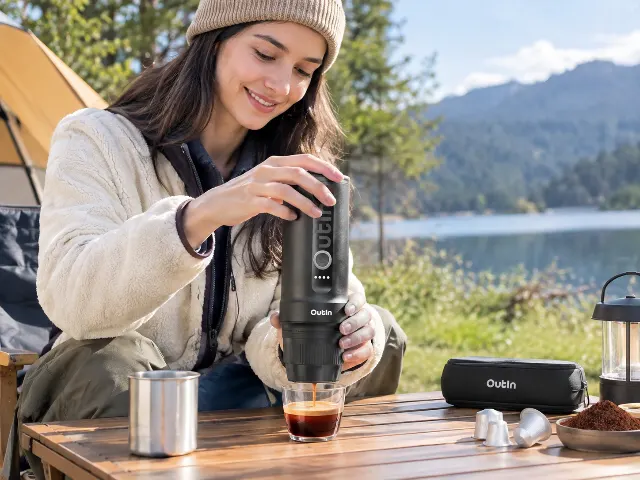
Another key competitor is the OutIn Nano Portable Electric Espresso Machine, Travel Coffee Maker, which follows a very similar design philosophy of battery-powered heating and extraction. They trade blows on battery size and heating speed, with the best choice often coming down to current pricing and availability. For those who prioritize convenience but stay at home, a pod machine is a more logical choice. The De'Longhi Nespresso Vertuo Plus Coffee and Espresso Maker offers one-touch operation with a much larger water tank and zero cleanup, though it locks you into Nespresso's more expensive Vertuo pod ecosystem.
A cross-category comparison is also useful. If the appeal of the Fanttik is making real espresso without a huge machine, but you don't actually need portability, the aforementioned De'Longhi Dedica is a far better investment. It provides a proper 51mm portafilter and a steam wand for making lattes and cappuccinos, something no portable device can do. The step-up in shot quality and versatility is substantial for a very modest increase in cost and counter space.
Is it right for you?
Ideal for: Frequent travelers, road warriors, car campers, and office workers who have access to hot water and prioritize convenience and consistency over manual control. It's also a viable, space-saving solution for dorm rooms or micro-apartments where a traditional machine is not an option.
Not suited to: Anyone needing to make multiple shots in quick succession, those who primarily drink milk-based espresso drinks, or users who expect to frequently heat water from cold while off-grid. It is not a true replacement for a dedicated home espresso setup.
The decision comes down to your primary use case. If you see the Fanttik Cafein 11 as a travel accessory that liberates you from bad coffee on the road, it's a brilliant device. If you view it as a cheaper, smaller alternative to a countertop machine for daily home use, its limitations in speed, capacity, and battery life will quickly become apparent. It excels as a specialist, not as a generalist.
Where it leaves us
The Fanttik Cafein 11Portable Espresso Maker is a well-executed piece of technology that solves a specific problem with elegance. Its ability to automate extraction and produce a genuinely good espresso shot from a device that fits in a water bottle cage is remarkable. The USB-C charging and dual-mode (pods/grounds) flexibility are perfectly aligned with the needs of a modern traveler.
However, the stark difference in battery performance between using hot versus cold water is a critical caveat that defines the user experience. It's a superb travel companion but a compromised daily driver. I was surprised by the quality of the espresso it can produce, but I'm also certain it's not the right primary machine for most people.
For the right person, this is the best portable espresso maker on the market.
The detail spec sheets miss
The 20-bar pump spec is misleading; it's peak pressure. The machine modulates to a more typical 9-12 bars during extraction, which is actually a sign of proper engineering, not a flaw.
Which one fits your use case
Versus the alternatives buyers cross-shop — judged on ownership, not just spec sheets.
| Alternative | Ease of use | Maintenance | Durability | Value | Best for |
|---|---|---|---|---|---|
| Fanttik Cafein 11 Portable Espresso Maker, 20 Bar Coffee machine with USB-C (this pick) | Push-button automatic extraction | Fiddly; requires disassembling small parts | Solid build, but battery is a long-term consumable | High for travelers, moderate for home use | Frequent travelers or office workers with access to hot water |
| OutIn Nano Portable Electric Espresso Machine, Travel Coffee Maker | Similar push-button automatic operation | Comparable multi-part cleaning process | Good construction, also limited by battery lifespan | Competitive; often depends on sale pricing | Buyers cross-shopping for the best value in battery-powered portables |
| De'Longhi Dedica Duo Compact Espresso Machine - Cold Brew Coffee Maker with Milk Frother Wand | More involved; requires puck prep and manual control | Requires regular backflushing and descaling | Built for daily countertop use; longer potential lifespan | Excellent for home users wanting real espresso and milk drinks | Small apartment dwellers who do not need portability |
| De'Longhi Nespresso Vertuo Plus Coffee and Espresso Maker | Extremely simple one-touch pod operation | Minimal; just requires periodic descaling | Reliable for daily use, but plastic-heavy build | Lower upfront cost, higher long-term cost due to pods | Users prioritizing ultimate convenience and speed over coffee choice |
How it scores on what matters
| Product | Espresso shot quality | Consistency shot-to-shot | Workflow Speed (Hot Water) | Workflow Speed (Cold Water) | Portability & Durability | Maintenance Burden | Verdict |
|---|---|---|---|---|---|---|---|
| Fanttik Cafein 11 Portable Espresso Maker, 20 Bar Coffee machine with USB-C (this pick) | Very good | Excellent | Very good | Weak | Excellent | Fair | Convenient and consistent, but slow and power-hungry from cold. |
| OutIn Nano Portable Electric Espresso Machine, Travel Coffee Maker | Very good | Excellent | Good | Weak | Very good | Fair | A very close competitor, trading blows on minor features. |
| De'Longhi Dedica Duo Compact Espresso Machine - Cold Brew Coffee Maker with Milk Frother Wand | Excellent | Good | Excellent | Excellent | Fair | Good | Superior home performance, but not portable in any sense. |
| De'Longhi Nespresso Vertuo Plus Coffee and Espresso Maker | Good | Excellent | Excellent | Excellent | Weak | Excellent | Unbeatable convenience at the cost of coffee quality and choice. |
Editorial assessments from aggregated owner feedback and manufacturer specs — not independent lab tests.
The upsides
- ✓Excellent shot quality with rich crema when using hot water and a fine grind.
- ✓Automated extraction provides better consistency than manual hand-pump devices.
- ✓Versatile design accepts both Nespresso-compatible pods and ground coffee.
- ✓Modern USB-C PD charging allows for convenient power-up from standard adapters and power banks.
- ✓Compact, robust build quality makes it a durable and practical travel companion.
Where it falls short
- ✕Extremely poor battery life when heating cold water, yielding only 3-5 shots.
- ✕Small 80ml water tank requires refilling for every single shot.
- ✕Cleaning process is fiddly with multiple small parts that can be easily lost.
- ✕Final espresso temperature is warm, not hot, which may disappoint some users.
Is it right for you?
Ideal for the frequent traveler, car camper, or office worker who wants real espresso without a full-sized machine. It's also a surprisingly good fit for those in tiny apartments or dorms who prioritize counter space above all else. Pass on this if you need to make multiple shots back-to-back or want to steam milk; its workflow is inherently single-serve.
Reasons to pick it
The Fanttik Cafein 11 solves the problem of mediocre travel coffee by automating the pressure generation that manual devices like the Wacaco Nanopresso require. It delivers better consistency than hand-pumping for a user who values convenience over the absolute control and battery-free reliability of a manual alternative. Its core value is push-button simplicity in a package small enough for a backpack.
How it scores
- Value
- ★★★★★ ★★★★★ 4.0
- Quality
- ★★★★★ ★★★★★ 4.3
- Ease of use
- ★★★★★ ★★★★★ 4.6
- Durability
- ★★★★★ ★★★★★ 4.2
Specifications
| Type | Automatic Portable Espresso Maker |
|---|---|
| Pump Pressure | 20 Bar (Peak) |
| Water Tank | 80 ml (2.7 oz) |
| Battery | 7500mAh Lithium-ion |
| Charging Port | USB-C (Power Delivery compatible) |
| Compatibility | Nespresso Original Pods, Ground Coffee |
| Heat-up Time | Approx. 3-4 minutes (from cold) |
| Warranty | 1-Year Limited |
Frequently asked questions
Is the Fanttik Cafein 11 worth it in 2026?
Yes, for its intended user—the traveler or office worker—its combination of automated 20-bar pressure and USB-C charging remains a top-tier value. For primary home use, however, a compact countertop machine offers better performance for a similar investment.
How long does the Fanttik Cafein 11 last?
The physical unit can last for years with proper care, especially lubricating the O-rings. The battery's lifespan is the main constraint, typically degrading after 300-500 charge cycles, which translates to 1-3 years depending on how often you use the heating function.
Is the Fanttik Cafein 11 a good choice for small spaces?
Absolutely. Its vertical, compact design makes it one of the best espresso solutions for tiny kitchens, dorms, or RVs where counter space is at a premium. It completely removes the footprint of a traditional machine while delivering a high-pressure extraction.
What are the main alternatives to the Fanttik Cafein 11?
Key alternatives are the manual Wacaco Nanopresso for battery-free reliability and the OutIn Nano for a similar automated experience. For non-portable, space-saving options, the De'Longhi Dedica offers far more capability for home use.
How many shots of espresso can you make on a single charge?
This is the most critical question. You can expect around 100 shots if you add boiling water yourself. If you rely on the machine to heat cold water, that number plummets to a mere 3 to 5 shots per full charge.
Can you use both coffee pods and ground coffee?
Yes, the device includes two interchangeable filter baskets in the box. One is designed for Nespresso Original-line compatible capsules, and the other is for using your own finely ground coffee, offering excellent flexibility for different situations.
People also ask
- How many shots can the Fanttik Cafein 11 make on one charge?
- Can you use both ground coffee and pods in the Fanttik Cafein 11?
- What are common problems with the Fanttik Cafein 11?
- How do you clean the Fanttik Cafein 11?
- Is the Fanttik Cafein 11 Portable Espresso Maker worth it?
- What are the best alternatives to the Fanttik Cafein 11?
- Can you use your own ground coffee in the Fanttik Cafein 11?
- What is the battery life of the Fanttik Cafein 11?
You might also like
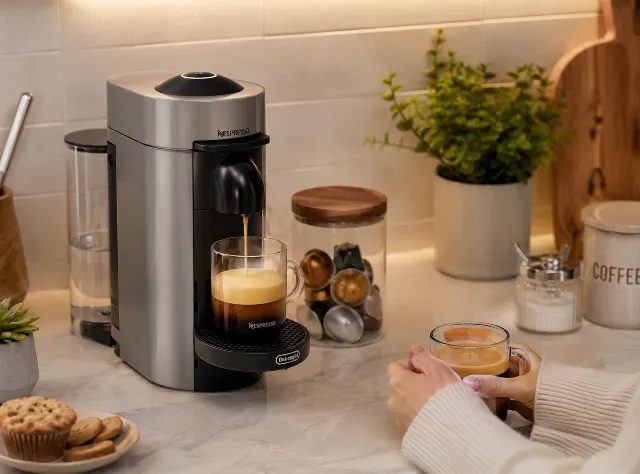
De'Longhi Nespresso Vertuo Plus Coffee and Espresso Maker
The De'Longhi Nespresso VertuoPlus offers unmatched convenience for coffee and espresso, but its proprietary pod system creates a costly, restrictive ecosystem.
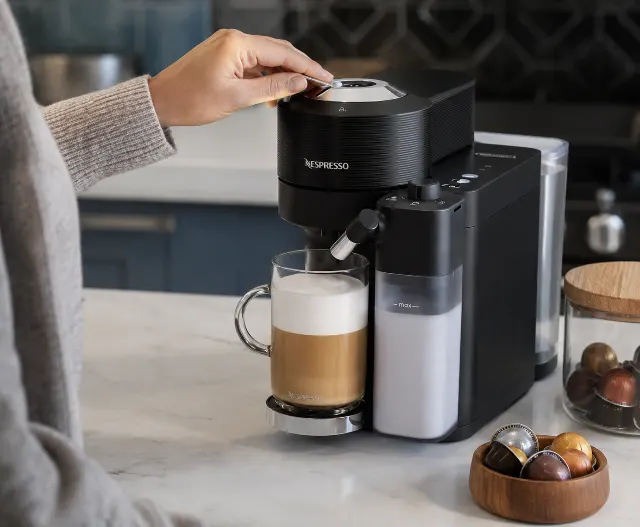
Nespresso Vertuo Lattissima Coffee & Espresso Maker
The Nespresso Vertuo Lattissima offers unparalleled one-touch convenience for lattes and cappuccinos, but its long-term value is eroded by high pod costs and mandatory cleaning routines.
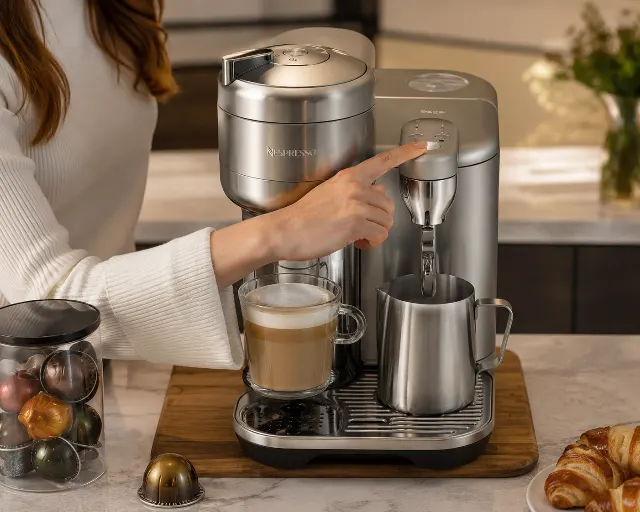
Nespresso Vertuo Creatista Coffee and Espresso Maker
A detailed review of the Nespresso Vertuo Creatista, focusing on its unique combination of Vertuo coffee brewing and a true Breville steam wand for microfoam.
De'Longhi Dedica Duo Compact Espresso Machine - Cold Brew Coffee Maker with Milk Frother Wand
A compact espresso and cold brew machine that excels at versatility for small kitchens, but its 51mm portafilter and thermoblock heater demand a learning curve for consistent espresso.
OutIn Nano Portable Electric Espresso Machine, Travel Coffee Maker
The OutIn Nano is a self-heating portable espresso maker offering true on-the-go convenience, but its battery limits it to just a few shots from cold.